A past-due utility bill can be a point of friction between landlords and tenants. Is the landlord responsible if the tenant vacates the rental property and leaves the outstanding utility bill? The rules for who is responsible for the utility bill can vary by the type of account, company, and region where you live.
Water bills can be a confusing aspect of renting. As a tenant, you might be wondering if you’re responsible for paying that monthly water bill or if it falls on your landlord’s shoulders. The answer isn’t always straightforward – it depends on several factors including your lease agreement, state laws, and the type of property you’re renting.
In this comprehensive guide, we’ll dive into everything you need to know about water bill responsibilities in rental properties I’ve gathered information from various sources to give you the clearest picture possible
The Lease Agreement: Your First Stop for Answers
The most important document that determines who pays the water bill is your lease agreement. This legally binding contract should outline all utility responsibilities, including water.
Here’s what you should know about lease agreements and water bills
- Clear specification: Most lease agreements will explicitly state who is responsible for which utilities
- Bundled utilities: Some landlords include water costs in the monthly rent
- Separate payment: Other landlords require tenants to set up their own accounts with utility providers
- Multi-unit buildings: Lease agreements may address how utility costs are divided in buildings with multiple units
According to LegalClarity lease agreements can vary widely. Some state that the tenant is responsible for all utilities while others specify that the landlord will cover certain expenses. This document is essential in establishing who bears the financial burden of water usage, and both parties should thoroughly review these terms before signing.
If your lease doesn’t clearly specify who pays the water bill, it’s crucial to ask for clarification before signing. Don’t assume anything!
Common Water Bill Payment Arrangements
There are several ways landlords handle water bills in rental properties:
1. Tenant Pays Directly to Utility Company
In this arrangement, tenants set up an account with the local water department in their name. This is common in single-family home rentals or units with individual water meters.
2. Landlord Keeps Bill in Their Name and Charges Tenant
According to Zumper, landlords often keep the water bill in their name and then:
- Charge tenants the exact amount of the bill (often providing a copy for transparency)
- Split the bill between multiple tenants who share a water meter
- Bundle estimated utility costs with the rent payment
3. Landlord Covers Water Bill Entirely
Some landlords, particularly in apartment complexes or multi-unit buildings, cover water bills entirely. This is often reflected in slightly higher rent.
State Regulations That Impact Water Bill Responsibility
State laws can significantly influence who pays for water in rental properties. Here are some examples from LegalClarity:
- California: Landlords must provide tenants with a copy of the utility bill if the tenant is responsible for payment
- New York: Laws protect tenants from utility shutoffs if the landlord fails to pay a shared utility bill
- Texas: Requires landlords to disclose utility submetering practices
Many states mandate that landlords provide at least a 30-day notice before changing terms related to utility payments. This gives tenants time to adjust their budgets or negotiate lease terms.
Understanding your state’s specific regulations is crucial for compliance and avoiding legal disputes.
The Implied Warranty of Habitability and Water Access
An important legal concept that impacts water bill responsibilities is the “implied warranty of habitability.” This legal doctrine requires landlords to maintain properties in conditions fit for human habitation, which includes essential services like water access.
As LegalClarity notes, this warranty is non-negotiable in many jurisdictions, protecting tenants regardless of lease terms. If a landlord fails to uphold this warranty by not ensuring access to water, tenants may have legal remedies including:
- Withholding rent
- Making necessary repairs and deducting costs from future rent
- Terminating the lease without penalty
Courts have consistently upheld the importance of this warranty, reinforcing tenants’ rights to a safe and functional living environment.
Common Questions About Water Bills in Rental Properties
Do landlords have to pay for water if no one is renting the unit?
Yes! According to Zumper, property owners are responsible for paying utilities until a new tenant moves in. This ensures interior utility systems stay in working order, particularly important in extreme weather conditions that could damage the property.
Who pays for unpaid water bills?
If water is in the landlord’s name and a tenant doesn’t pay according to the agreement, the landlord is typically responsible for paying the water company. They may then seek legal action against the tenant.
If the tenant had water bills in their name and didn’t pay before moving out, the landlord might have to cover these bills in some states. However, many landlords include clauses in rental agreements that the security deposit won’t be returned until all utility bills are paid in full.
Can a landlord charge extra for water?
Yes, landlords can charge for water and sewer services. They might:
- Pass along the exact bill amount
- Split costs between multiple tenants
- Include an estimated amount in the rent
How to Handle Water Bill Disputes
Disagreements about water bills do happen. Here’s how to handle them:
- Review your lease agreement carefully to confirm responsibilities
- Check local ordinances governing utility billing practices
- Communicate openly with your landlord or tenant
- Consider mediation if direct communication doesn’t resolve the issue
- Seek legal assistance if necessary, particularly through legal aid organizations
LegalClarity notes that small claims court may be an option for tenants seeking reimbursement for overcharges or unauthorized utility expenses. In such cases, tenants should present evidence like billing statements, correspondence with the landlord, and relevant regulations.
Tips for Landlords: Deciding Who Should Pay for Water
If you’re a landlord trying to determine who should pay for water in your rental property, Zumper offers these helpful tips:
- Research local practices: Check what other landlords in your area typically do
- Consider market impact: Determine if charging higher rent to include utilities is feasible for your market
- Follow common standards: In many states, landlords typically pay for water, sewer, and trash, while tenants cover cable, internet, electricity, and gas
Tips for Tenants: Understanding Your Water Bill Responsibilities
As a tenant, here’s what you should do regarding water bills:
- Read your lease thoroughly before signing
- Ask questions about any unclear utility responsibilities
- Get agreements in writing if they’re not already in the lease
- Keep records of all utility payments
- Know your rights under state law and the warranty of habitability
The Pros and Cons of Different Water Bill Arrangements
For Tenants:
When landlord pays:
- Predictable monthly expenses
- No need to set up/cancel utility accounts
- Protection from unexpected rate increases
When tenant pays:
- More control over water usage and costs
- Potential for lower costs with conservative usage
- No risk of rent increases due to others’ water usage
For Landlords:
When landlord pays:
- More marketable rental units
- No concerns about tenants failing to pay utilities
- Easier management of multi-unit properties
When tenant pays:
- Lower ongoing expenses
- Tenants incentivized to conserve water
- No need to chase tenants for utility reimbursements
Final Thoughts: Communication is Key
Whether you’re a landlord or tenant, clear communication about water bill responsibilities is essential. Everything should be documented in writing, preferably in the lease agreement.
For tenants, understanding your responsibilities before signing a lease can prevent unexpected costs. For landlords, being transparent about who pays what creates trust with your tenants and prevents disputes.
Water is an essential utility, and ensuring access while fairly distributing costs benefits everyone involved in the rental relationship. When in doubt, consult your lease or speak with a lawyer familiar with landlord-tenant law in your state.
Remember, the arrangement that works best depends on many factors including property type, local practices, and individual preferences. There’s no one-size-fits-all approach to water bill responsibilities in rental properties.
So, do tenants pay the water bill? The answer is – it depends! Check your lease, know your rights, and don’t be afraid to ask questions before signing on the dotted line.
Have you had experiences with water bill disputes in rental properties? I’d love to hear your stories in the comments below!
What Utilities Do Renters Pay?
The typical utilities found in an apartment include:
Cable and internet or security fall under ânon-essentialsâ and usually fall to the tenant. Responsibility for the rest of the utility bills can vary.
Before asking who is responsible for unpaid utility bills, you must go back to the lease agreement. This legally binding contract should carefully define landlord/tenant responsibilities surrounding public utility services.
Under California law, landlords must supply access to utility services at their rentals and cannot shut off these services if the tenant doesnât pay rent. State laws donât define who pays for these services. The lease document should cover who is responsible for setting up and paying for these utility company services.
Some landlords pay some or all of the utilities themselves, rolling the costs back up to the renter. In these instances, the landlord must:
- Have fair pricing for these services, meaning you cannot markup utility prices to make a profit. You can charge a small administrative fee.
- Provide tenants with a breakdown of how much theyâre paying for their monthly utilities. This becomes more complex when tenants share an apartment complex meter.
- Still provide utilities to the tenant, even if you, as the landlord, fail to pay for the service. In these cases, tenants have the right to protect themselves from losing utilities by setting up their own account to pay the bill and restore services.
- Accommodate tenants who have medical issues with at-home equipment. These tenants often qualify for a reduction in utilities. Itâs usually easier for the property owner to make an exception and allow these tenants to set up their own utility accounts to take advantage of these reduced costs.
These complexities apply to property owners who prefer to allow tenants to handle their utilities. Again, defining what utilities renters pay versus what the landlord handles must be defined and understood upfront before the lease is signed.
But what happens when the utility bills are late or unpaid?
Who is Responsible for Unpaid Utility Bills
Who is responsible for unpaid utility bills depends on the following:
- What utilities do renters legally pay as defined in the lease.
- Whose name is on the utility bills?
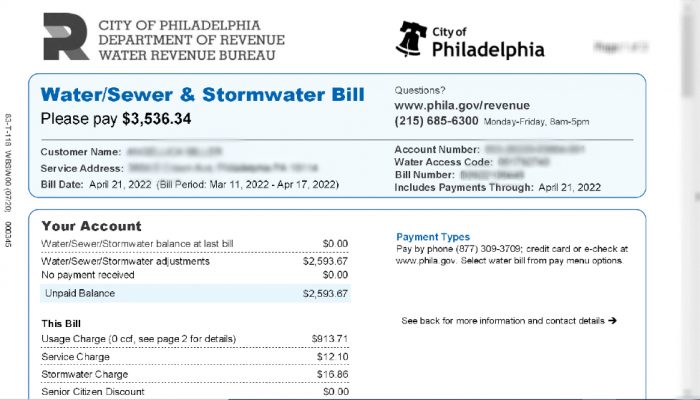
If your renters pay you and you pay the bills, you are responsible to the utility company. This is true even if the renter fails to pay you. Many times, the landlord ends up pocketing the losses and moving on. Unless itâs the water bill.
The California legislature has specific rules governing how to handle electric and gas meters, outlining rules for what the landlord must do if there are shared meters between units. Water and sewer are not included in these laws, so itâs up to the lease agreement to define who pays. If the water isnât paid, it can be disconnected.
A water shut-down can permanently damage pipes in the winter, so it is in the landlordâs best interest to cover these utilities. Since landlords are required to provide a habitable living space by law, most cover water, sewer, and trash themselves and recoup the cost in the tenantâs rent.
ConnectCalifornia states, âThe landlord can ultimately be held responsible for unpaid water bills for rental units in California. Unlike other utilities like electric and gas, the water company is often a city-owned operation, and thus may come after the property owner for unpaid dues when a tenant has moved on.â
