New Information — Senate Bill 156 (Stats. 2024, ch.72) was signed by the Governor on July 2, 2024. This bill makes several changes to the Hazardous Waste Generation and Handling Fee Program.
We will continue to provide updates and additional information in this guide. We will also release a special notice that will include reminders of your requirements along with information on these changes.
The California Department of Tax and Fee Administration (CDTFA) administers four hazardous waste fee programs in cooperation with the Department of Toxic Substances Control (DTSC), pursuant to the requirements of the California Hazardous Substances Tax Law.
We created this guide to provide easily accessible information to assist you in understanding your obligations related to the hazardous substances programs.
For hazardous substances programs previously administered by CDTFA such as the activity fee, please visit our Industry Topics page.
Persons who dispose of hazardous waste to land at an authorized hazardous waste disposal facility in California will pay a disposal fee directly to the disposal facility, and the disposal facility then submits the fee and a return to CDTFA. The hazardous waste generation and handling fees may also apply; refer to the Generation and Handling Fee section for more information.
The fee varies and is determined by the waste category and the total tonnage of waste. Only the disposal facilities/operators are required to file returns with the CDTFA. (Health and Safety Code (HSC) section 25174.1, et seq.)
The hazardous waste disposal fee ends on June 30, 2022 (Senate Bill 158; Stats. 2021, ch.73).
The environmental fee is imposed on businesses/organizations in industry groups that use, generate, store, or conduct activities related to hazardous materials. Activities related to hazardous materials may include the use of products such as ink, plastics, paint, etc., which were manufactured using hazardous materials. The fee applies to corporations, general partnerships, limited partnerships, limited liability partnerships, limited liability companies, and sole proprietorships that have the qualified number of employees who are each employed more than 500 hours in California during the calendar year. The qualifying number of employees for the years prior to 2022 is 50 or more. Effective January 1, 2022, the qualifying number of employees is 100 or more. The fee is graduated based on the number of employees. (HSC section 25205.6.)
The facility fee applies to an owner or operator of a site that is permitted by DTSC to treat, store, or dispose of hazardous waste in California. Facility fees are based on statutory provisions set forth in the Health and Safety Code, utilizing a tiered permitting program. Facility fees are classified into five tiers: Full Facility Permit, Standardized Permit, Permit-by-Rule, Conditional Authorization, and Conditional Exemption. The fees vary according to the permitted level. (HSC sections 25205.2 – 25205.4, and 25205.7.)
Hey there, friend! If you’re grindin’ away at a job that’s got more risks than a tightrope walk, or if you’re just curious about how folks get paid extra for dangerous gigs, you’ve landed in the right spot We’re diving deep into the world of hazard pay—what I like to call “danger money”—and how it ties into somethin’ as everyday as payin’ your bills. Whether you’re facin’ hazards on the job or just tryin’ to keep the lights on, this guide’s for ya Let’s break it down simple and clear, with some real talk from me to you.
What the Heck Is Hazard Pay?
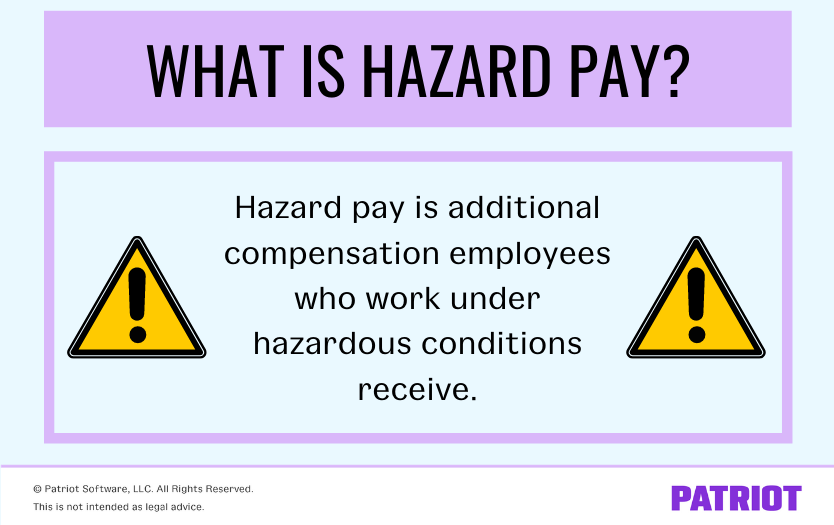
First things first, let’s chat about hazard pay. If your job’s got you dodgin’ danger—think workin’ with nasty chemicals, bravin’ crazy conditions, or dealin’ with stuff that’d make most folks run screamin’—you might be entitled to some extra cash. That’s hazard pay, my friend. It’s like a bonus for puttin’ your neck on the line, whether it’s physical risks or straight-up mental stress that ain’t eased by safety gear.
Here’s the deal in plain terms
- What it covers: Jobs that mess with your body or mind—think oil rig workers, deep-sea fishin’ crews, or even healthcare folks durin’ a pandemic.
- Why it exists: To make up for the extra risk. If your gig’s got “extreme discomfort” written all over it, this pay’s supposed to soften the blow.
- Who decides: Ain’t no big federal law sayin’ everyone gets it. It’s often up to your boss, your contract, or sometimes state and local rules kick in.
I’ve seen buddies in tough jobs—like construction in brutal weather or handlin’ hazardous waste—get this bump in their paycheck. It ain’t just nice; it’s sometimes the only reason they keep showin’ up. But here’s a kicker if your company gives it to one person in your role they gotta give it to everyone doin’ the same work under the same risks. Fair’s fair right?
Who Qualifies for This Danger Money?
Now, you might be wonderin’, “Do I get hazard pay?” Well, it depends on a few things. Lemme lay it out for ya with some real-world examples.
Types of Jobs That Might Get It
Here’s a quick list of gigs that often qualify:
- Healthcare workers: Especially durin’ somethin’ like COVID, when they’re on the front lines facin’ germs head-on.
- First responders: Cops, firefighters, paramedics—folks who run into danger while the rest of us run out.
- Industrial jobs: Think oil rigs, hazardous waste cleanup, or deep-sea work where one wrong move could be curtains.
- Essential workers in crises: Grocery clerks, delivery drivers, and factory hands durin’ emergencies might get a hazard bump, dependin’ on local laws.
How You Get It
- Contract or company policy: If your job’s inherently risky, your contract might spell out hazard pay. Check that fine print!
- State or local mandates: Some places stepped up durin’ the pandemic and said, “Hey, essential workers get extra.” That’s still a thing in certain spots.
- Union power: If you’re in a union, they might’ve fought for hazard pay on your behalf. Big props to them for that.
Here’s a lil’ table to make it crystal clear who’s often in the runnin’ for this pay:
| Job Type | Risk Factor | Likely to Get Hazard Pay? |
|---|---|---|
| Healthcare Worker | Exposure to pathogens | Often, especially in crises |
| Construction in Extreme Weather | Physical hardship, injury risk | Sometimes, per contract |
| Grocery Worker (Pandemic) | Public exposure during emergencies | Depends on local laws |
| Oil Rig Operator | Dangerous environment, isolation | Usually, built into pay |
Bottom line? If your job’s got you riskin’ life and limb, or even just fryin’ your nerves, there’s a chance for hazard pay. You gotta ask around—talk to HR, check your contract, or even hit up a local labor lawyer if you’re feelin’ stuck.
Why Hazard Pay Matters More Than Ever
Let’s get real for a sec. Workin’ a hazardous job ain’t just tough—it can wreck ya if you ain’t compensated right. That extra money ain’t just a pat on the back; it’s often what keeps folks goin’. Imagine bein’ a nurse durin’ a health crisis, knowin’ every shift could get ya sick, but that hazard pay helps cover your rent or your kid’s school stuff. It’s a lifeline.
And here’s where it gets tied to somethin’ practical: payin’ them bills. If you’re earnin’ hazard pay, chances are you’ve got financial stress on top of job stress. Maybe you’re in a place like Hazard, Kentucky, where life ain’t always easy, and every dollar counts. That’s why I wanna shift gears and talk about managin’ that money—specifically, how to handle your bills quick and painless with online systems.
Connectin’ Hazard Pay to Bill Pay: Why It’s a Big Deal
Alright, so you’ve got this extra cash from hazard pay, or you’re fightin’ to get it. What’s next? Well, life don’t stop at the paycheck. Bills pile up—electric, water, rent, you name it. I’ve been there, starin’ at a stack of envelopes, wonderin’ how to juggle it all. And if you’re in a risky job, the last thing you need is extra hassle over payments.
That’s where online bill pay comes in clutch. Picture this: instead of drivin’ to some office or mailin’ checks (who even does that anymore?), you hop on a website, click a few buttons, and boom—bills paid. If you’re in a spot like Hazard, KY, they’ve got a slick online portal for city services. But even if you ain’t, most places nowadays got somethin’ similar. Let’s call this “hazardous bill pay”—not ‘cause payin’ bills is dangerous, but ‘cause managin’ money when you’re in a high-risk gig feels like walkin’ a tightrope sometimes.
How Online Bill Pay Saves Your Bacon
I’m gonna break down why online bill pay is a game-changer, especially for folks pullin’ in hazard pay from tough jobs. Here’s the good stuff:
- Saves time: Ain’t nobody got hours to waste. Log in, pay up, done. More time to rest after a brutal shift.
- No late fees: Set reminders or auto-pay. If your hazard pay comes irregular, this keeps you from missin’ due dates.
- Secure and easy: Most systems are locked down tight. You can often save your info for next time, so it’s just a click.
- One-time options: Don’t wanna sign up for an account? No prob. Many places let ya pay as a guest.
Lemme paint a picture. Say you’re a frontline worker in a small town. You just got your hazard pay bump after a rough month. You’re wiped out, but the utility bill’s due tomorrow. Instead of stressin’, you pull up the city’s payment site on your phone—maybe while sippin’ coffee—and handle it in five minutes. That’s the kinda peace of mind I’m talkin’ about.
Steps to Get Started with Online Bill Pay
If you’re new to this online payment thing, don’t sweat it. I gotcha covered with a quick how-to. Here’s the general process, based on what I’ve seen with city services and utility sites:
- Find the right website: Look for your city or service provider’s official payment page. Google somethin’ like “pay city bills online” plus your town name.
- Log in or go guest: If you’ve got an account, sign in. If not, check for a one-time payment option.
- Enter your details: Pop in your account number or whatever ID they need to find your bill.
- Pay up: Pick your payment method—credit card, bank account, whatever works. Double-check the amount.
- Confirm and save: Make sure you get a confirmation number or email. Save it just in case.
Pro tip: If the site looks sketchy or asks for weird stuff, bail out. Stick to official pages—most got “.gov” or a legit company name in the URL. And hey, if you’re usin’ an old browser, some sites might not work right. Upgrade to somethin’ modern like Chrome or Firefox to avoid headaches.
Challenges of Hazardous Bill Pay (And How to Dodge ‘Em)
Now, I ain’t gonna sugarcoat it—managin’ money with hazard pay and bills can be a pain sometimes. Here’s a few bumps in the road I’ve run into, plus how to swerve around ‘em:
- Irregular paychecks: Hazard pay might not come steady. Solution? Set aside a chunk for bills when you do get paid. Even $50 stashed away helps.
- Tech troubles: Not everyone’s a computer whiz. If online payin’ ain’t your thing, ask a friend or family member to walk ya through it first time.
- Forgettin’ passwords: I’ve locked myself outta accounts more times than I can count. Write ‘em down somewhere safe or use a password app.
- Scams: Folks tryin’ to steal your info are everywhere. Never click weird links in emails claimin’ to be your bill company. Go straight to the official site.
Here’s a lil’ somethin’ I messed up once: I paid a bill twice ‘cause I didn’t check my confirmation. Felt like a dummy, but I called ‘em up and got it sorted. Moral of the story? Keep track of what ya pay!
Why We Gotta Fight for Hazard Pay
Switchin’ gears back to the “danger money” part—let’s talk about why fightin’ for hazard pay is worth it. If you’re in a job where you’re riskin’ it all, that extra cash ain’t just a bonus; it’s respect. It says, “We see what you’re goin’ through, and we got your back.” I’ve talked to folks who felt straight-up ignored ‘til their union or local government pushed for hazard pay durin’ tough times. That money helped ‘em pay bills without losin’ sleep.
If you think you’re owed hazard pay but ain’t gettin’ it, don’t just sit there. Check your contract, talk to your boss, or look up local laws. Some places got rules that kick in durin’ emergencies, and you might qualify. Worst case, chat with a lawyer who knows labor stuff—they can tell ya if you got a case. Trust me, standin’ up for what you deserve feels damn good.
Tying It All Together: Your Money, Your Peace
So, where we at? Hazard pay—your hard-earned danger money—is there to support ya when the job gets dicey. But earnin’ it’s only half the battle. You gotta manage it smart, and that’s where bill pay comes in. Whether you’re usin’ a city portal in a place like Hazard or just handlin’ utilities online elsewhere, these tools take a load off your shoulders.
I’ve been in tight spots myself, workin’ jobs that had me on edge, wonderin’ how to stretch every dollar. Learnin’ to pay bills quick and safe online was a lifesaver. And if you’re pullin’ hazard pay, you deserve that kinda ease. So, take a minute today—check if you’re gettin’ all the pay you’re owed, and set up that online payment system if you ain’t already. You’ve earned the right to breathe a lil’ easier.
Bonus Tips for Hazard Pay Workers
Before I wrap this up, here’s a few extra nuggets of wisdom for my hard-workin’ crew out there:
- Budget like a boss: Hazard pay might not last forever. Put some aside for rainy days, even if it’s just a few bucks a week.
- Ask questions: Don’t be shy ‘bout askin’ your employer or union about hazard pay policies. Knowledge is power, fam.
- Stay safe: That extra money don’t mean nothin’ if you ain’t around to spend it. Follow safety rules, wear your gear, and don’t play hero.
- Keep records: Save pay stubs, contracts, anything showin’ hazard pay. If there’s a dispute, you’ll thank me for this tip.
How the Revenue is Used
The revenue we collect for DTSC is used to support hazardous waste management in California including the review and analysis of past, present, or potential environmental public health effects related to toxic substances.
Generation and Handling Fee
The generator fee is repealed and replaced by a new generation and handling fee effective January 1, 2022 (Senate Bill 158; Stats. 2021, ch.73). The generation and handling fee applies to each generator of hazardous waste at each generation site that generates five or more tons of hazardous waste per calendar year or portion of the calendar year. This includes most recycled waste, treated wood waste, imported non-RCRA (Resource Conservation Recovery Act) waste, and waste sent outside California for disposal. The per ton fee is determined by the total tonnage of waste generated per site. The fee also applies to facility operators that generate five or more tons of hazardous waste who pay the facility fee. (HSC section 25205.5.)
Prior to January 1, 2022, the hazardous waste generator fee was imposed on anyone who generated five or more tons of hazardous waste on a tiered category basis.
Automatic bill pay warning | How it works, dangers to avoid & the safest way to set it up
FAQ
How does hazardous duty pay work?
… pay”) refers to extra pay that an employer pays to an employee because they work under hazardous conditions or perform work duties involving physical hardship
Where can I pay my recology bill?
- Pay online by credit or debit card at Pay Your Bill Online | Recology.
- Enroll in online bill pay to set up automatic payments from your checking or savings account.
- Pay over the phone by calling customer service at 415.330.1300 and select option 1. (
