Most people are just fine as long as they pay by the due date. But if youre looking to bolster your credit or reduce your interest costs, consider paying earlier.
Many or all of the products on this page are from partners who compensate us when you click to or take an action on their website, but this does not influence our evaluations or ratings. Our opinions are our own.
Hey there, folks! If you’ve ever wondered, “When should I pay my credit card bill?” you’re not alone. I’ve been there, staring at that statement, trying to figure out if paying early makes a difference or if I’m just overthinking it. Spoiler alert: Timing does matter, and it can save you money, boost your credit score, and even keep stress at bay. At its core, the best time to pay is by the due date—always—but there’s more to it if you wanna play it smart. Stick with me, and I’ll break it down in plain English with some dope tricks we’ve picked up along the way.
Let’s get the big stuff outta the way first. Paying your credit card bill on time—by that due date every month—is non-negotiable. Miss it, and you’re hit with late fees (sometimes as high as 40 bucks!) and a potential dent in your credit score. But if you’re looking to level up, paying earlier than the due date can work wonders especially if you’re carrying a balance or wanna look good to the credit bureaus. Let’s dive into the nitty-gritty of why timing is everything and how you can make it work for ya.
Understanding the Credit Card Billing Cycle: The Basics You Gotta Know
Before we get into the “when,” let’s chat about how credit card bills work. Trust me, once you get this, timing your payments becomes a breeze. Here’s the deal with the billing cycle, which usually runs 28 to 31 days:
- Statement Date (or Closing Date): This is when your card company wraps up your monthly activity and spits out a statement. It shows your “statement balance”—everything you owe from that cycle, including new charges minus any payments you’ve made.
- Due Date: This is the deadline to pay at least the minimum amount (or the full balance if you’re smart about it). It’s usually 21 to 25 days after the statement date. Miss this, and you’re in trouble.
- Reporting Date: This one’s sneaky—it’s when your balance gets sent to the credit bureaus for your credit score. It’s not on your bill, but it’s often close to the statement date. Knowing this can be a game-changer.
Most cards give ya a grace period between the statement and due date, meaning no interest if you pay the full statement balance by the due date But if you carry a balance over, that grace period often disappears, and interest starts piling up fast Got it? Cool, now let’s talk about when to pay based on what you’re aiming for.
Best Time to Pay to Avoid Interest: Don’t Let It Sneak Up on Ya
Avoiding interest is probably why most of us stress over timing, right? I know I’ve been burned by those sneaky charges before. Interest can hit hard if you don’t play your cards right (pun intended) Here’s when to pay depending on your situation
- If You Pay in Full Every Month (Grace Period Vibes): If you’re already clearing your statement balance on time each month, you’re golden. Just pay by the due date, and you won’t owe a dime in interest. I like to pay a couple days early just to be safe—call it my paranoia tax.
- If You’re Carrying a Balance (Interest Is Creeping): Here’s where it gets messy. If you’ve got a balance rolling over, you likely lose that grace period. Interest starts on new purchases right away, and it compounds daily—meaning each day’s interest adds to the balance, making the next day’s even worse. My advice? Pay as early as you can, and as often as you can. Even small payments early in the cycle cut down on that daily average balance, saving you cash. For example, if you’ve got a $1,000 balance on a 30-day cycle with a 15% rate, paying $400 halfway through drops your average balance big time, shaving off a chunk of interest compared to paying on the last day.
- If You’ve Got a 0% Intro APR Deal: Got a sweet promotional period with no interest? Nice! You can pay less than the full balance without getting hit, but you still gotta make at least the minimum payment by the due date. Mess that up, and the deal might vanish. Also, mark your calendar for when that promo ends—don’t get caught with a huge balance when the regular rate kicks in.
Bottom line: If you’re dodging interest, pay by the due date at minimum, but go earlier if you’re carrying debt. It’s a simple hack that’s saved me a ton over the years.
Best Time to Pay for a Better Credit Score: Look Good on Paper
Your credit score is like your financial report card, and payment timing can nudge it up if you’re strategic. I’ve obsessed over mine more than I care to admit, so lemme share what works. The biggest factor is payment history—pay by the due date, no exceptions. Late payments (30 days past due) can tank your score and stick on your report for seven years. Ouch.
But there’s more to it. Another chunk of your score comes from “credit utilization”—how much of your limit you’re using. Keep it under 30%, and you’re in good shape; under 10% is even better. Here’s the kicker: Card companies report your balance to the bureaus around the statement closing date, not the due date. So, even if you pay in full later, a high balance on that closing date gets reported, and your score might dip.
- Pay Before Statement Closes: If you’ve got a big balance, pay it down (or off) before the statement date. Say your cycle closes on the 15th, and you owe $2,000 on a $5,000 limit—that’s 40% utilization, not great. Pay $1,500 before the 15th, and only $500 gets reported (10% utilization). Boom, potential score boost.
- Multiple Payments a Month? Sure, it can help with cash flow and keep utilization low, but it don’t matter to the bureaus how many times you pay—just what’s reported. So, one big payment before closing works just as well as two smaller ones.
One thing I used to stress over—do I need 0% utilization? Nah, you don’t. Low is good, but zero ain’t necessary. Plus, utilization resets monthly, so a high month ain’t the end of the world. If you’re applying for a loan soon, though, clean it up beforehand. Timing here is paying early, before that statement drops.
Best Time to Pay for Max Rewards: Get Them Perks
Now, if you’re chasing rewards like cash back or travel points, does timing matter? Usually, nope. Most cards give rewards based on when you buy stuff, not when you pay the bill. I’ve racked up points without thinking twice about due dates. But, there’s a few weird cards out there with exceptions.
Some cards tie a chunk of rewards to payment timing. For instance, there’s cards that give half the cash back when you buy and the other half when you pay it off. Others, especially business cards, might bump up points if you pay super early—like within days of the statement. My take? Check your card’s fine print. If it’s one of these, pay as soon as the statement hits to snag the max goodies. Otherwise, just stick to the due date and focus on spending smart.
Why the Due Date Is Still King: Don’t Mess This Up
No matter how fancy you get with timing, never forget the due date. It’s the baseline. Miss it, and you’re looking at:
- Late Fees: These can sting, sometimes up to 40 bucks depending on your card and if it’s your first slip-up.
- Credit Score Damage: Over 30 days late, and it’s on your credit report, killing your score. Payment history is the heaviest hitter in that game.
- Lost Grace Period: Some cards yank that no-interest window if you’re late, piling on more costs.
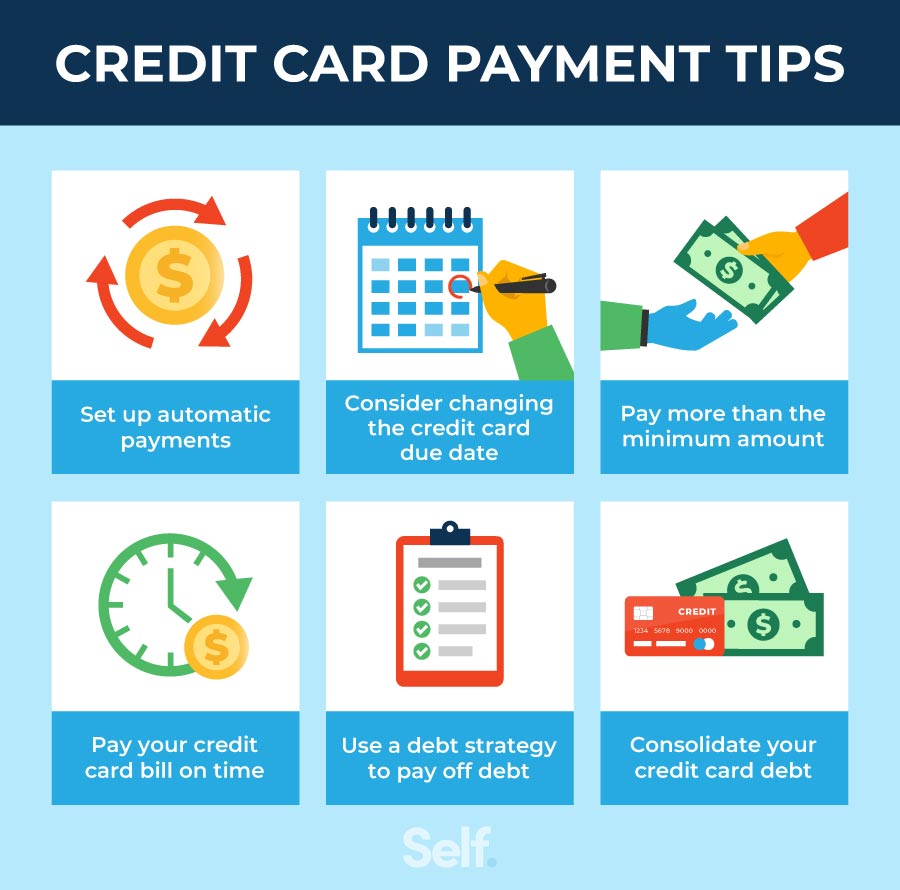
If your due date lands on a weekend or holiday, most issuers give ya till the next business day by 5 p.m. to pay without penalty. Still, I set reminders a few days early—better safe than sorry. You can even call your card company to shift the due date if it don’t match your payday. I’ve done that, and it’s a lifesaver.
Practical Tips to Manage Your Credit Card Bills Like a Pro
Alright, we’ve covered the “when,” but how do you make sure you’re on top of this every month without losing your mind? I’ve got some go-to tricks that keep me sane:
- Set Up Autopay: Most cards let you auto-pay the minimum, a set amount, or the full balance. I’ve got mine on full balance autopay—set it and forget it, no late fees ever.
- Use Reminders if Autopay Ain’t Your Thing: Pop a calendar alert or app notification a few days before the due date. I’ve missed payments before just ‘cause I forgot—don’t be me.
- Budget for It: Add your expected credit card payment to your monthly budget. Knowing what’s coming stops overspending. I track mine in a simple app, works like a charm.
- Check Statements Monthly: Skim that statement for weird charges. I caught a random subscription once just by glancing over it—saved me a headache.
- Monitor Utilization: Keep an eye on how much of your limit you’re using. If it’s creeping near 30%, make a quick payment. I check mine weekly, takes two minutes.
- Get Alerts from Your Issuer: Sign up for text or email notifications about balances and due dates. My card pings me, and it’s like having a personal assistant.
Here’s a quick table to sum up the best times to pay based on your goal:
| Goal | Best Time to Pay | Why It Works |
|---|---|---|
| Avoid Interest (Full Pay) | By Due Date (or a few days early) | Keeps grace period, no interest charges. |
| Avoid Interest (Carrying Balance) | As early and often as possible | Lowers daily balance, cuts compounding interest. |
| Boost Credit Score | Before Statement Closing Date | Lowers reported utilization to bureaus. |
| Maximize Rewards | Check card terms; often due date is fine | Some cards tie rewards to early payment. |
Common Myths About Payment Timing: Let’s Clear This Up
I’ve heard all kinda weird ideas about paying credit cards, and I bet you have too. Let’s bust a couple myths so you ain’t wasting effort on nonsense.
- Myth 1: You Gotta Pay Multiple Times a Month for a Better Score. Nah, not really. Multiple payments can help cash flow, but credit bureaus only care about the balance reported near the statement date. One payment before closing does the same job.
- Myth 2: 30% Utilization Is a Target. Wrong! I used to think this—keep it at 30%, right? Nope, that’s a cap, not a goal. Lower is always better for your score.
- Myth 3: There’s a Magic “Hack” Like 15/3. You mighta heard of paying 15 days before and 3 days before the due date. It’s just a way to lower utilization early—ain’t no secret sauce. Paying once before the statement closes works just as good.
What If You Can’t Pay on Time? Don’t Panic
Life happens—sometimes you just can’t swing that payment by the due date. I’ve been there, and it’s stressful as heck. Here’s what to do if you’re in a bind:
- Pay the Minimum ASAP: Even if it’s late, paying something keeps damage lower. Minimum payment by due date stops it from hitting your credit report as late for 30 days.
- Call Your Issuer: Explain your sitch. Some might waive a late fee if it’s a one-time thing or give ya a break. I’ve had luck with this—just be honest.
- Avoid New Charges: Don’t dig the hole deeper. Hold off on using the card till you’re caught up, ‘cause interest will kill ya without a grace period.
A Personal Story: How Timing Saved Me Some Dough
Lemme tell ya a quick story. A couple years back, I was carrying a balance on my card—about $1,500—and didn’t think much of when I paid, just hit the due date. Interest was eating me alive, like 20 bucks a month or more. Then a buddy clued me in on paying early. I started tossing whatever I could mid-month, even if it was just a hundred bucks. First month I did that, interest dropped by almost half. Felt like I’d cracked a code! Now, I always pay early if I can’t clear the whole thing—small wins add up.
Wrapping It Up: Make Timing Your Superpower
So, when should you pay your credit card bill? At the very least, hit that due date every single month to dodge fees and credit dings. But if you wanna be a financial ninja, pay earlier—especially if you’re carrying a balance to save on interest or wanna lower your utilization for a shiny credit score. Understand your billing cycle, know your statement and due dates, and use tricks like autopay or alerts to stay on top of it.
We’ve all got different money sitches, so tweak this to fit yours. If you pay in full, due date’s fine. If you’re juggling debt, pay early and often. And if a big loan application’s coming, clear that balance before the statement closes. Timing ain’t just about avoiding trouble; it’s about making your card work for you. Drop a comment if you’ve got a timing hack that’s worked for ya—I’m all ears! Let’s keep this money convo going.
A quick look at the billing cycle
Credit cards operate on a monthly billing cycle, and there are three dates to understand:
- The statement date. Once a month, your card issuer compiles all the activity on your card account and generates your statement. The day this happens is your statement date, also called the closing date. Anything that happens after this date — including activity between the time your statement is created and the time it reaches you in the mail — will go on your next statement.
- When your statement is produced, it will show a statement balance. This is calculated by taking the balance at the beginning of the billing cycle, adding all new charges made during the cycle, and subtracting any payments made during the cycle.
- The due date. This is the date by which you must pay at least the minimum amount due. The due date is usually about three weeks after the statement date. Failure to pay at least the minimum by the due date will result in a late fee.
- The reporting date. This the date on which the card issuer reports your balance to the credit bureaus. Unlike the closing date and due date, the reporting date does not appear on your bill. It could be any time during the month, but its best to assume it will be around the time of your statement closing date.
When is the best time to pay your credit card bill?
At the very least, you should pay your credit card bill by its due date every month. If youre like most credit card users, as long as you do that, youre fine. But in some cases, you can do yourself a favor by paying your bill earlier. Thats because the balance that gets reported to the credit bureaus can have a direct effect on your credit scores.
To understand the effects of paying early, it helps to know how the credit card billing cycle works.
BEST Day to Pay your Credit Card Bill (Increase Credit Score)
FAQ
Is it better to pay your credit card on the due date or before?
To avoid interest charges, pay off your entire credit card balance by the payment due date. If you pay only the minimum amount, or part of the total, you’ll still accrue interest on the remaining balance. The average median credit card interest rate between July and September 2024 was 24.74%.
What is the 15 3 rule for credit cards?
Which is the best time to pay a credit card bill?
The best time to pay your credit card bill is before your due date to avoid late fees and negative entries on your credit reports.Sep 17, 2024
When should I pay into my credit card?
In a nutshell
Check your statement, online account, or call your lender to confirm when your credit card payment is due. Always aim to pay the full balance before the due date to avoid interest charges and keep your credit score healthy.
