Hey there, friend! If you’ve landed here, chances are you’re dealing with the headache of collections bill pay—or at least wondering what the heck it even means. Don’t worry, we’ve all been in a financial pickle at some point, and I’m here to break it down for ya in plain English. At our lil’ corner of the internet, we’re all about keeping it real and helping you tackle money messes without the stress. So, grab a coffee, and let’s dive into sorting out them collections bills like a pro!
What Is Collections Bill Pay, Anyway?
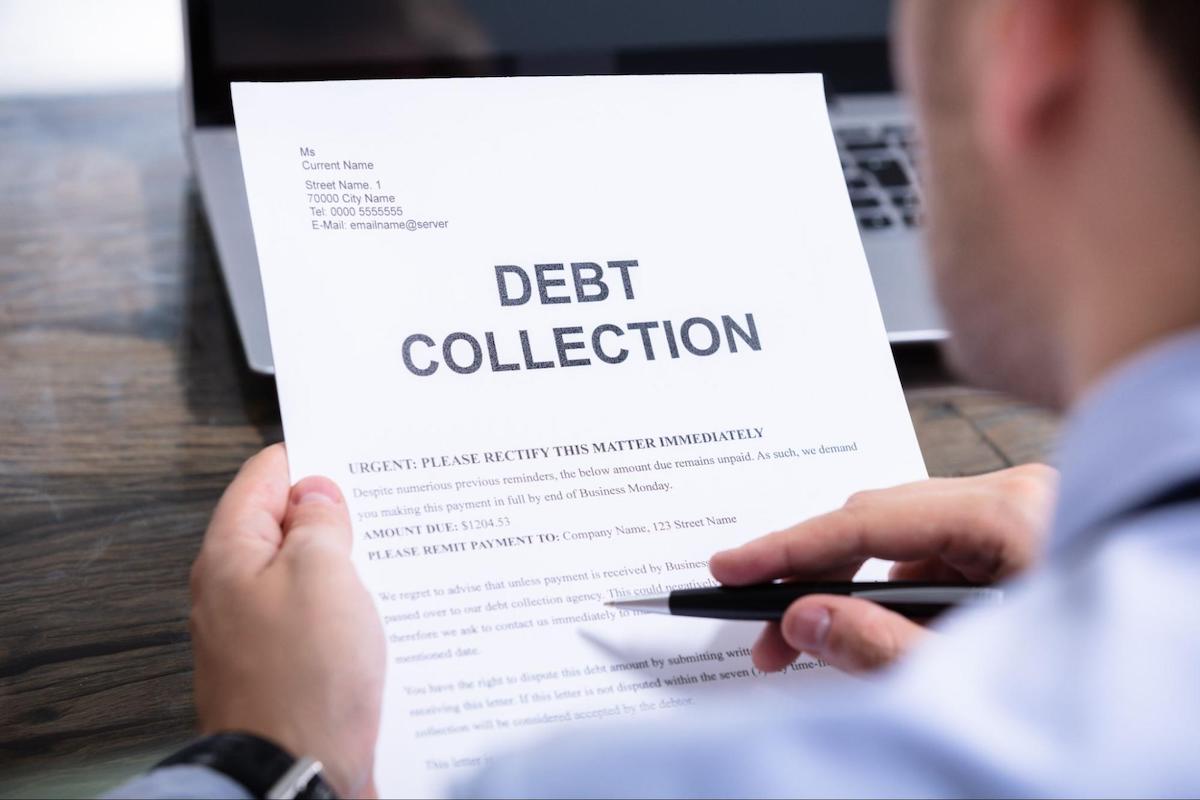
Alright, let’s start with the basics. Collections bill pay is just a fancy way of saying “paying off a debt that’s gone to collections.” What’s that mean? Well, when you miss payments on something—could be a credit card, a medical bill, or even some old utility bill—the company you owe might get tired of chasing ya. They hand it over to a collection agency or a system that’s all about getting that money back. Your job? Pay up through whatever method they’ve set up, often an online portal or direct contact with the agency.
Now, this ain’t no fun situation. I remember the first time I got a collections notice—man, my stomach dropped! But here’s the deal: it’s not the end of the world. You just gotta know what you’re dealing with and how to handle it. When a bill goes to collections, it usually means it’s overdue by a good bit, and there might be extra fees tacked on. The good news? Paying it off—or at least starting to—can stop the damage and get you back on track.
Why Should You Care About Collections Bills?
Before we get into the “how,” let’s talk about the “why.” Why bother with collections bill pay ASAP? Here’s the lowdown straight from someone who’s been there
- Credit Score Hit: Debts in collections can tank your credit score faster than you can say “late payment.” It stays on your report for years, making loans or new credit cards a pain to get.
- Extra Fees: Them collection folks ain’t playing—they slap on interest or fees, so the longer you wait, the more you owe.
- Stress Factor: Getting calls or letters about unpaid bills? Yeah, it’s a real mood killer. Paying up can stop the harassment.
- Legal Trouble: Ignore it long enough, and some agencies might take ya to court. Trust me, you don’t want that hassle.
So, the sooner you deal with collections bill pay, the better. It’s like ripping off a Band-Aid—hurts for a sec, but then you’re free to move on.
How Do You Know If You’ve Got a Bill in Collections?
Some of y’all might be sitting there wondering “Do I even have a collections bill?” Good question! It’s not like they always send a neon sign to your doorstep. Here’s how to figure it out
- Check Your Mail: Collection agencies love sending letters. If you’ve got something that looks all official, screaming “past due,” that’s a clue.
- Look at Your Credit Report: Pull up your free credit report (you can do this once a year from major bureaus). If there’s a “collections” mark, bingo.
- Listen for Calls: Getting weird phone calls from numbers you don’t know, asking about a debt? Might be a collector.
- Ask the Original Creditor: If you think you missed a payment, call the company you owed—like a hospital or credit card folks—and ask if it’s gone to collections.
I once ignored a medical bill ‘cause I thought it was a mistake. Turns out, it wasn’t, and it went straight to collections. Lesson learned—don’t bury your head in the sand!
Step-by-Step: Handling Collections Bill Pay Like a Boss
Now that you know what’s up, let’s get to the meat of it—paying that bill. We’re gonna walk through this together, step by step so it don’t feel like climbing a mountain.
Step 1: Get the Deets on Your Debt
First things first, figure out what you owe and to who. Collections notices usually have the amount, the original creditor (who you owed first), and the agency now handling it. If you’ve lost the notice, check your credit report or call the agency if you’ve got their number. Write down:
- The total amount owed (including any sneaky fees).
- Who’s collecting it.
- The original debt (like “credit card from 2021”).
Step 2: Verify It’s Legit
Here’s a hot tip—don’t just pay the first person who calls ya. Scammers are out there pretending to be collectors. Ask for a debt validation letter (they gotta send it by law). It proves the debt is yours and they’ve got the right to collect. I almost got duped once by a fake agency, but asking for proof saved my butt.
Step 3: Find the Payment System
Most collections nowadays can be paid online through a website or portal. Some are run by the agency, others by a government system if it’s something like taxes or fines. Here’s what to do:
- Look for a web address on the notice or letter.
- Make sure your browser’s got the right settings (sometimes ya need to enable stuff like JavaScript to make the site work).
- Log in or create an account if needed—usually they ask for a reference number or personal info.
If it’s not online, they might take payments by phone or mail. Just double-check the number or address to avoid scams.
Step 4: Decide How Much to Pay
Can you pay the whole thing? Awesome, do it. If not, don’t panic. Many collectors let ya set up a payment plan. Call ‘em up and say, “Hey, I can pay X bucks a month—does that work?” Be honest about what you can afford. Some might even settle for less than you owe if you negotiate. I’ve haggled down a bill before by just asking—worst they can say is no!
Step 5: Make the Payment
Once you’re on the payment site or on the phone, follow the prompts. Here’s a quick checklist:
- Double-check the amount before hitting “submit.”
- Use a secure payment method (credit card or bank transfer, not some shady app).
- Save the confirmation number or screenshot the receipt. You’ll need proof it’s paid.
Step 6: Follow Up
After paying, check your credit report in a month or two to make sure it’s marked as “paid” or “settled.” If it ain’t, contact the agency with your proof. Also, keep an eye out for any weird charges—sometimes errors happen.
Here’s a lil’ table to summarize payment options you might run into with collections bill pay:
| Method | Pros | Cons |
|---|---|---|
| Online Portal | Fast, easy, 24/7 access | Might need tech setup |
| Phone Payment | Personal, can negotiate | Takes time, risk of scams |
| Mail (Check) | Old-school, reliable | Slow, gotta track it |
| Payment Plan | Breaks it into smaller chunks | Might have extra fees |
What If You Can’t Pay Right Now?
Listen, we get it—sometimes the wallet’s thinner than a piece of paper. If you can’t swing the collections bill pay right this second, here’s what to do instead of dodging it:
- Talk to the Collector: Explain your situation. They might freeze interest or give ya a break for a bit.
- Get Help: Look for local non-profits or financial advisors who can guide ya. Some offer free advice on debt.
- Prioritize: If you’ve got multiple debts, pay the ones with the highest interest or legal risk first.
- Save Up: Even stashing away $20 a week gets you closer to settling it.
I’ve been flat broke with a collections bill looming, and just calling to say “I’m working on it” bought me some time. Communication is key, fam.
Tips to Organize Your Finances and Avoid Collections
Now that we’re tackling the current mess, let’s chat about not ending up here again. Think of your finances like a messy drawer—ya gotta organize it to find stuff quick. Here’s how to keep track of bills so they don’t sneak into collections:
- Set Reminders: Use your phone or a calendar to ping ya when bills are due. I forget stuff all the time, so this saves me.
- Create a Bill List: Write down what you owe each month—rent, cards, utilities—and check ‘em off when paid.
- Go Digital: Save payment links or set up auto-pay for stuff you always owe. It’s like having a lil’ helper.
- Check Statements: Peek at your bank or credit card statements monthly for anything weird. Catching errors early stops big headaches.
I started keeping a lil’ notebook with all my due dates, and it’s been a game-changer. You could even group your financial “to-dos” into categories—like “urgent bills” and “savings goals”—to stay on top of things. It’s all about making your money life less chaotic.
Common Mistakes to Avoid with Collections Bill Pay
We’re human, so we mess up sometimes. But here’s a few goofs to steer clear of when dealing with collections:
- Ignoring It: Pretending it don’t exist won’t make it vanish. It just gets worse.
- Paying Without Proof: Always get a receipt or confirmation. I paid a bill once and had no record—big oops when they claimed I didn’t.
- Falling for Scams: If someone demands payment right now over the phone with no paperwork, hang up. Verify first.
- Not Negotiating: Don’t assume the amount is set in stone. Ask if they’ll take less or waive fees.
How Collections Affect Your Future (And How Paying Helps)
Let’s zoom out for a sec. Having a bill in collections is a black mark on your financial rep. It can mess with getting a mortgage, renting a place, or even landing a job if they check credit. But here’s the flip side—paying it off starts rebuilding that trust. It shows future lenders you’re serious about fixing mistakes.
When I finally cleared a collections debt, it felt like a weight lifted. My credit didn’t jump overnight, but over time, it crept up. Plus, no more annoying calls! Paying collections bills ain’t just about the money—it’s about getting your peace of mind back.
Extra Resources to Make Collections Bill Pay Easier
If you’re still feeling stuck, don’t sweat it. There’s plenty of ways to get a hand with this:
- Financial Hotlines: Some areas got free debt counseling lines. Call and ask for tips.
- Online Tools: Use budgeting apps to track what you owe and plan payments.
- Community Support: Check local groups or forums where folks share how they handled collections. Real stories help.
Our team here at Budget Buddy Blog (yep, that’s us!) is always rooting for ya. We’ve seen tons of peeps bounce back from collections drama, and you can too.
Wrapping Up: Take Control of Collections Bill Pay Today
Alrighty, we’ve covered a ton of ground here. From figuring out what collections bill pay means to walking through every step of handling it, you’ve now got the tools to tackle this beast. Remember, it’s not about being perfect with money—it’s about facing the mess head-on and making moves to fix it. Whether you’re paying through an online system, setting up a plan, or just starting to organize your finances, every lil’ step counts.
I know it’s a pain in the rear to deal with collections, but trust me, once it’s done, you’ll feel like a rockstar. Got questions or still stressing? Drop a comment below, and we’ll chat. Let’s keep this money convo going and get you back to financial freedom. You’ve got this!
Understand how the CFPB’s Debt Collection Rule can help you
On November 30, 2021, the Debt Collection Rule became effective. The rule clarifies how debt collectors can communicate with you, including what information they’re required to provide you.

A debt collector may be trying to contact you because a creditor believes you are past due on the payments you owe on a debt. Read more
Ignoring or avoiding a debt collector is unlikely to make the debt collector stop contacting you. If you believe you do not owe the debt, you should tell the debt collector. Read more
The Fair Debt Collection Practices Act (FDCPA) says that a debt collector is not allowed to use unfair practices in trying to collect a debt. Read more
How Do I Handle Debts That Are In Collections?
FAQ
Should I pay a bill that went to collections?
Yes, you should still pay a debt even if it has gone to collections. Here are a few reasons why: Credit Impact: Unpaid debts in collections can significantly harm your credit score. Paying the debt can help mitigate further damage and may even improve your score over time.
How to pay a bill when it’s in collections?
- Confirm the debt is yours.
- Know your debt collection rights.
- Check the statute of limitations.
- Determine collectability.
- Determine how much you can pay.
- Negotiate a settlement with the collector.
- Set up a repayment plan.
- Make your payments as agreed.
What is the proper way to pay off collections?
- Pay it off in one lump sum. Choosing this option means paying the exact amount you owe, all in one go.
- Set up a payment plan. You can also pay the full amount you owe, but over time, rather than at once.
- Settle for less than you owe.
What happens if a bill goes to collections and you don t pay it?
