Renting an apartment for the first time can be an exciting experience! However, it is important to also keep in mind that there will be different costs associated with renting. Keep reading to find out about the monthly bills you will have to pay when renting an apartment.
Once you move into your apartment and have stayed there for a month, you will need to make your first rent payment. Rent is usually due the first of the month, every month, at the agreed-upon rent amount listed on your lease. Most landlords/property management companies will ask that you pay rent via a check, or through an online portal. Some places may allow you to make a cash payment for rent, but that is not too common.
Most leases are year-long or more, while others can be six months or you may be able to rent from month to month. The good thing about a longer lease is that your rent amount will be locked in until renewal. But you will not be able to move out without breaking the lease agreement—which can be very expensive. A shorter lease will give you more freedom to move, but rent may go up quickly.
Your monthly rent will vary depending on where you are and the type of property you are renting. For example, renting a unit in an apartment complex is usually cheaper than renting a single family home. Rent in New York for a one bedroom apartment usually ranges from $2000 or more, while rent for the same-sized apartment in Columbus, Ohio, may be as low as $900.
How much do utilities cost per month in an apartment? Sometimes your landlord or property manager may take care of some of the utilities, but that is never guaranteed. And so, it will be smart to budget all utility costs into your monthly bills. Each month you should budget for:
Average utility costs in the US are around $240 for apartments. You can definitely cut down on these costs once you move in, but it will be helpful to factor these averages into your budget before you commit to a lease. It is important to pay your utilities on time, because utility payments may show up on your credit reports.
Your security deposit will be a one-time cost you must pay when you first move in. It will be close to one month’s rent. This deposit will be returned to you when you move out, as long as there isn’t any damage to the property. If your landlord/property manager determines they need the money to take care of significant repairs, they have the right to keep that money. This will likely be the most expensive of other upfront costs when renting. When paying your security deposit, most places will also ask you for the first month’s rent.
Hey there, renter fam! If you’re new to the apartment game or just curious ‘bout your bills, you’ve prolly wondered, “Do I have to pay the light bill in my apartment?” Straight up, the answer is usually yes, you do. Most of the time, when you’re rentin’, you’re on the hook for electricity—aka the light bill—along with a few other utilities. But it ain’t always cut-and-dry. Some landlords cover it, some don’t, and it depends on your lease. Stick with me, ‘cause we’re gonna unpack all this mess in super simple terms, with tips and tricks to keep your wallet from cryin’.
Here at [Your Blog Name], we’ve been around the block with renting drama, and I’m here to spill the tea on what you’re really payin’ for. Whether it’s just you in a cozy studio or you’re shacked up with roommates, knowin’ who pays what is key to not gettin’ blindsided by a fat bill. Let’s dive in, startin’ with the big question about that light bill, then we’ll cover other utilities, costs, and how to save some cash.
Do You Have to Pay the Light Bill? The Real Deal
So, do you gotta shell out for electricity in your apartment? In most cases, heck yeah, you do When you sign that lease, utilities like electricity (that’s your lights, AC, fridge, all that jazz) are often on you to pay directly to the power company It’s not like water or trash, which landlords often handle. But here’s the kicker—it ain’t universal. Let me break down the three main ways this shakes out, based on what I’ve seen and dealt with myself
- Electricity Baked Into Rent: Some places, especially cheaper or income-based units, include the light bill in your monthly rent. You don’t see a separate bill, and it’s all covered. Sweet deal, right? But this ain’t super common.
- Separate Bill, All on You: This is the big one. Most standard apartments have you settin’ up an account with the local electric company. You get a bill each month based on how much juice you use, and you pay it straight to them. Landlord ain’t involved.
- Rent Plus a Fee: Here’s a weird middle ground. Sometimes, electricity is sorta separate, but your landlord charges you a flat “electricity fee” with your rent. Like, rent’s $900, plus a $100 electric charge. Watch out, tho—they might jack up the price a bit.
When I first rented, I didn’t even think to ask about this and got hit with a surprise bill. Don’t be me! Before you sign anything, check your lease or straight-up ask your landlord, “Yo, do I pay the light bill, or is it on you?” It’ll save you a headache later
How Much Is This Light Bill Gonna Cost Me?
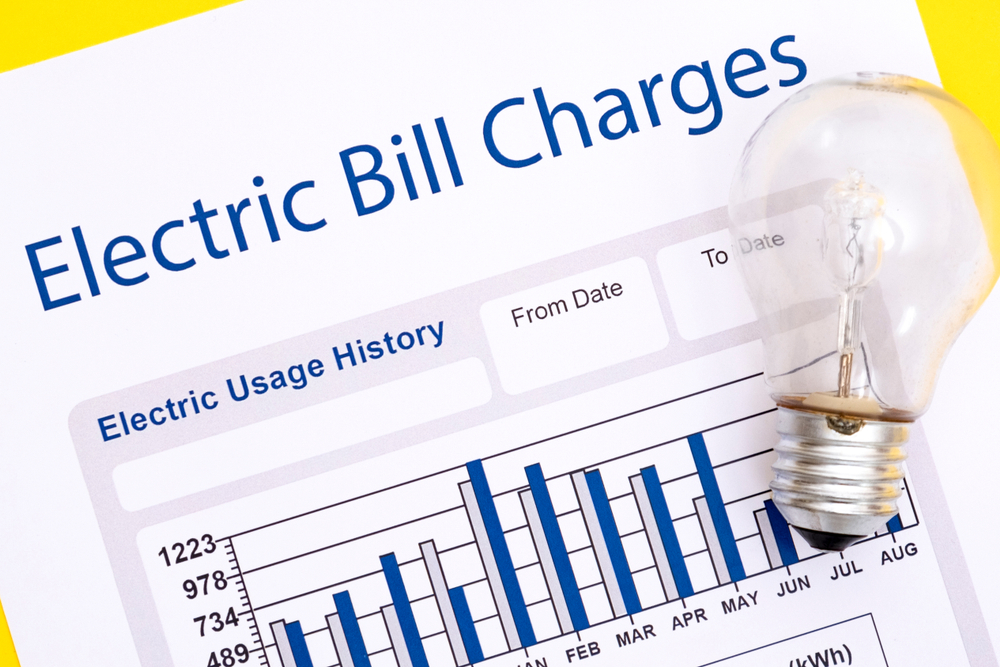
Alright let’s talk numbers. If you’re payin’ for electricity yourself, you need to know what to budget for. The cost of your light bill depends on a buncha stuff—where you live how big your place is, and how much you’re runnin’ that AC like it’s a sauna. Here’s a rough idea of what you might be lookin’ at in the U.S., based on typical usage
| Apartment Size | Avg. Monthly Electric Bill | Total Avg. Utility Cost (incl. others) |
|---|---|---|
| Studio | $30 – $70 | $100 – $150 |
| 1-Bedroom | $50 – $100 | $125 – $200 |
| 2-Bedroom | $75 – $150 | $194 – $250 |
| 3-Bedroom | $100 – $200 | $250 – $300 |
These are just ballpark figures, fam
Renter’s Insurance (If Applicable)
Some landlords may require their tenants to pay for renter’s insurance. And even if they don’t, you should definitely consider it. Renter’s insurance will protect all your personal belongings in case of things like a fire, natural disaster, or burglary. Renter’s insurance usually ranges from $15 to $20 a month.
Pet Fees (If Applicable)
If you have any furry friends you are bringing into your new apartment, there may be monthly expenses attached when you pay rent. Pet fees, a monthly fee for having pets are more common in apartment complexes and condos than in homes. They can range anywhere from $20 to $50 per pet per month. There may also be an additional fee added to your security deposit if you have pets.
How to Save Money on Your Electric Bill When You Live in an Apartment
FAQ
What bills do I need to pay in an apartment?
While it may seem like a lot, a simple summary of on-going bills you need to pay in an apartment is rent, utilities, pet, parking, and renter’s insurance. It’s a good idea to ask your landlord for a list of all bills and what is included in rent versus not included. 1. Rent This is what you owe each month to reside in the apartment.
How are electricity bills determined in apartments?
The way electric bills are determined in apartments can vary depending on the property and its owner. Some landlords include the cost of electricity in the rent, while others may have each tenant pay for their own electricity usage. In some apartments, the cost of electricity is included in the monthly rent.
Who pays the electric bill if you live in an apartment?
In this case, the landlord pays the electric bill, and the cost is divided among the tenants based on the size of their unit and the number of occupants. For example, if you live in a two-bedroom apartment with three people, you might pay a higher portion of the electric bill than someone who lives in a studio apartment with just one person.
Do I need to pay for utilities in my apartment?
If you want extras like internet, phone, or cable, you will still need to set those up yourself and pay for those on your own. If an apartment is not explicitly marketed as utilities included, figuring out which utilities (if any) the landlord or property manager cover is important.
Should I pay my rent and utility bills at the same time?
Your monthly utility bills and rent are typically paid at different times of the month. It can take some organization to stay on top of due dates; otherwise, you could incur late fees. Instead of paying your rent, electricity, gas, and everything else on your list, you can make one flat payment with your rent.
How can I save on my electric bill in an apartment?
If you’re paying for your own electricity, there are several things you can do to save on your electric bill in an apartment. Here are a few tips: Use energy-efficient appliances: Energy-efficient appliances use less energy, which can help reduce your electricity bill.
What utilities do most apartments cover?
In most apartments, you will be responsible for paying electricity, gas, and internet/cable bills, while landlords will typically cover the water, sewage and garbage. The cost of this is either lumped into your monthly rent or included as a separate charge in your monthly rental statement.
What do you pay when you live in an apartment?
Tenants renting an apartment usually pay for utilities like electricity, gas, water, and trash services. Additional monthly expenses may include internet and cable services, renter’s insurance, and pet fees if applicable.
Do apartments have free electricity?
It’s common for landlords to include basic utility charges—for essential services like water, sewage, and trash removal—in the rent price, while other utilities such as electricity and internet are typically the responsibility of the tenant.
How much are electricity bills in apartments?
The average electric bill for a 1-bedroom apartment in the U.S. ranges between $60 and $100 per month.Oct 24, 2024
