You may be able to pay certain bills with a credit card, but how do you know when it’s the right choice? Charging your bills may help streamline your bill-pay process, and you might even earn rewards for your spending. But you’ll need to pay off your credit card balance in full each month to avoid paying interest or ending up with credit card debt. Here are some things to consider about using your credit card to pay bills.
Hey there! If you’ve ever wondered, “Can I pay bills with a credit card?” then you’re in the right spot I’m here to spill the beans on this topic with all the deets you need. Short answer? Yup, you can pay some bills with a credit card, but it ain’t always a walk in the park. There’s fees, interest, and a few no-go zones to watch out for. Stick with me, and we’ll unpack everything—whether it’s worth it, which bills you can tackle, and how to avoid shootin’ yourself in the foot financially
Let’s get straight to the good stuff. Paying bills with a credit card can be a sweet trick for convenience or racking up rewards but it’s not a one-size-fits-all deal. Some companies let you swipe that plastic while others will straight-up say “nah.” Plus, there’s catches like extra charges or interest that can bite ya if you’re not careful. We’re gonna dive deep into all this, so you can decide if it’s a smart move for your wallet.
Which Bills Can You Pay With a Credit Card?
Alright, let’s start with the big question what kinda bills can you actually pay with a credit card? I’ve been down this road myself, tryin’ to figure out if I can slap my card down for every dang expense Here’s the lowdown, based on what’s generally out there in the payment world
Here’s a handy table to break it down quick-like:
| Bill Type | Can You Pay With Credit Card? | Likely Fees? | Notes |
|---|---|---|---|
| Utilities (electric, gas, water) | Usually Yes | Sometimes (convenience fee) | Check with your provider; fees might outweigh rewards. |
| Cellphone, Internet, Cable | Almost Always Yes | Rarely | Easy to set up, often no extra cost. Perfect for rewards. |
| Subscription Services (Netflix, Spotify) | Yes, Definitely | Nope | These are a no-brainer—put ‘em on your card for points. |
| Insurance (car, home, health) | Often Yes | Sometimes | Some companies charge fees unless you pay in full; double-check. |
| Rent | Sometimes | Often (processing fee) | Depends on your landlord; might need a third-party service with a fee. |
| Mortgage | Rarely | Usually High Fees | Most lenders don’t allow it due to processing costs. |
| Car Loan/Payment | Rarely | Usually High Fees | Lenders avoid fees; balance transfer might be an option (more on that). |
| Taxes | Yes, But… | Always a Fee | IRS allows it, but the fee can be a bummer. Weigh the rewards. |
| Student Loans | Sometimes | Varies | Depends on the lender; might be a good spot for cashback if fee-free. |
So, as you can see, stuff like your phone bill or streaming subscriptions are usually a green light. But bigger beasts like mortgages or car payments? Good luck with that—most lenders ain’t havin’ it ‘cause they don’t wanna eat the processing fees. And even when you can pay with a card, sometimes there’s a pesky “convenience fee” that can make it less, well, convenient. Always check with the biller first, or you might be shelling out more than you bargained for.
Why Would Ya Wanna Pay Bills With a Credit Card?
Now, you might be thinkin’, “Why the heck would I even bother with this?” Fair question! There’s a few solid reasons why me and plenty of others have tried this out. Here’s the upsides:
- Rack Up Them Rewards: If you’ve got a card that gives cashback, points, or miles, paying bills can be a goldmine. Imagine getting a little somethin’ back on every utility bill or phone payment. Sweet, right?
- Convenience, Baby: No more writin’ checks or settin’ up bank transfers. Just swipe or enter your card deets online, and boom, done. Some cards even let ya set up auto-payments so you don’t forget.
- Build That Credit Score: Usin’ your card responsibly—like payin’ on time every month—can give your credit history a nice lil’ boost. It shows lenders you’re on top of your game.
- Extra Time to Pay: Sometimes, you’re a bit tight on cash when a bill’s due. A credit card can buy ya a few weeks till the statement comes, givin’ you some breathin’ room.
- Trackin’ Expenses Easy: Having all your bills on one card statement makes it a breeze to see where your money’s goin’. No more diggin’ through bank records or receipts.
- Protection Perks: Credit cards often got your back if there’s a dispute. Your statement is proof of payment, which can save your behind if somethin’ goes sideways with a biller.
Sounds pretty temptin’, don’t it? I’ve used my card for stuff like internet bills just to snag some cashback, and it’s worked out great. But hold up—before you go wild, there’s a flip side to this coin.
The Downsides: Why It Ain’t Always a Bright Idea
Alright, let’s not sugarcoat it. Payin’ bills with a credit card can land ya in hot water if you’re not careful. I’ve seen folks get burned, and I don’t want that to be you. Here’s the not-so-fun stuff to watch out for:
- Fees Can Sting: Some companies slap on a “convenience fee” or “processing fee” when you pay with a card. If that fee’s higher than the rewards you’re earnin’, you’re losin’ money. Dang it!
- Interest Will Haunt Ya: If you can’t pay off your credit card balance in full each month, that interest rate’s gonna creep up and cost ya big time. Trust me, carryin’ a balance ain’t worth it.
- Credit Score Risk: Pilin’ up bills on your card without payin’ it off can jack up your credit utilization—that’s the chunk of available credit you’re usin’. Too high, and your score takes a hit.
- Debt Trap Danger: It’s easy to think, “I’ll just put this bill on my card ‘cause I’m short this month.” Next thing ya know, you’ve got a mountain of debt. Been there, and it sucks.
- Not All Bills Allowed: Like I said earlier, some biggies like mortgages or car loans flat-out won’t take a credit card. So, it’s not a universal fix for everythin’.
I gotta be real with ya—payin’ bills this way only works if you’ve got the discipline to clear that balance every month. If you’re already strugglin’ to keep up, this could make things worser. Let’s talk about how to figure out if it’s right for you.
Should You Pay Bills With a Credit Card? Ask Yourself This
There ain’t no blanket “yes” or “no” here. It’s all about your situation. Before you start swipin’ for every bill, sit down and think through a few things. Here’s what I ask myself when I’m decidin’:
- Can I Pay the Balance in Full? If the answer’s no, don’t do it. Interest charges will eat ya alive. Only use your card if you know you’ve got the cash to cover it when the statement hits.
- Are There Fees? Check if the biller’s gonna charge extra for usin’ a card. If the fee’s more than the rewards or points I’d get, I skip it.
- What’s My Card’s Terms? Look at your credit card’s interest rate, rewards program, and any fine print. Some cards got better perks for bill pay than others.
- Is This a One-Time Thing or a Habit? Usin’ a card for a bill once ‘cause you’re in a pinch is one thing. Makin’ it a regular habit without a plan is a recipe for trouble.
- Am I Chasin’ Rewards Smartly? If the main goal is points or cashback, make sure the math adds up. Don’t pay a $5 fee for $1 in rewards—that’s just dumb.
If you’re noddin’ along and thinkin’ you can handle it, then cool. Let’s get into the nitty-gritty of how to actually do this without messin’ up.
How to Pay Bills With a Credit Card the Right Way
So, you’ve decided to give it a shot. Awesome! Here’s how to go about payin’ bills with your credit card, step by step, so you don’t trip up. I’ve done this a bunch, and this is the way we keep it smooth at my end:
- Check If It’s Allowed: First things first, call the biller or check their website. See if they take credit cards for payment. If they do, ask about any fees right off the bat.
- Pick the Right Card: If you’ve got multiple cards, use the one with the best rewards for bills or the lowest interest rate, just in case ya can’t pay it off quick.
- Set Up the Payment: Dependin’ on the bill, you’ve got options:
- Online: Most companies got a payment portal. Log in, enter your card info, and hit submit. Some even let ya use a virtual card number for extra safety.
- Over the Phone: Call ‘em up and give your card details to a rep. Easy peasy.
- In Person: If it’s a local bill, like at a utility office, swipe or tap your card at their terminal.
- Auto-Pay: For stuff like subscriptions, set up automatic payments so you don’t miss a due date.
- Track Your Spendin’: Keep an eye on your card balance. Don’t let them bills pile up without a plan to pay ‘em off.
- Pay the Card Bill On Time: I can’t stress this enough—pay at least the minimum, but ideally the whole dang balance, before the due date. Late payments mess with your credit and rack up fees.
- Double-Check Fees vs. Rewards: After a month or two, see if the rewards you’re gettin’ are worth any fees you paid. If not, switch that bill back to a bank transfer or check.
One lil’ trick I’ve used is settin’ reminders on my phone a few days before the credit card bill’s due. That way, I don’t forget and end up with a nasty late fee. Also, if a biller don’t take cards direct, sometimes there’s third-party services that’ll charge your card and send a check for ya—but watch out, they usually got fees too.
Special Cases: Big Bills and Workarounds
Now, let’s chat about them tricky bills like rent or car payments where it’s not so straightforward. I’ve had to get creative sometimes, and here’s what I’ve learned.
For rent, if your landlord’s old-school and only takes checks, you might be outta luck direct. But some bigger property companies got online portals that take cards, sometimes with a fee. There’s also services out there that’ll let ya pay with a card and handle the check for ya, but again, they charge a percentage. Gotta decide if the points are worth it.
Mortgages and car loans are a tougher nut to crack. Most lenders say no ‘cause they don’t wanna pay the processin’ costs. One workaround for a car loan might be findin’ a card with a 0% intro rate on balance transfers. You could transfer the loan balance to the card, but only if you’re dead sure you can pay it off before the intro period ends. Otherwise, the interest rate jumps, and you’re worse off than before. Plus, it might ding your credit score with a big balance. Tread careful here.
Taxes are another beast. You can pay some with a card, like income taxes, but there’s always a fee. If you owe a chunk and the fee’s steep, might be better to set up a payment plan with the tax folks instead.
Tips to Stay Safe and Smart
Before we wrap this up, lemme throw out a few extra nuggets of wisdom to keep ya on the straight and narrow while payin’ bills with a credit card. We don’t want no nasty surprises, right?
- Budget First: Always know how much you’ve got comin’ in and goin’ out. Don’t use a card just ‘cause you’re short—have a plan to cover it.
- Avoid High Utilization: Try not to use more than 30% of your credit limit. If your limit’s $5,000, keep the balance under $1,500 to protect your score.
- Read the Fine Print: Some cards got sneaky terms about rewards on bills. Make sure your payments actually earn points or cashback.
- Watch for Scams: When payin’ online or over the phone, only use secure sites or trusted numbers. Don’t give your card info to sketchy setups.
- Mix Payment Methods: Don’t put every single bill on your card. Keep some on direct debit or checks to spread out the risk.
I’ve stuck to these myself, and it’s kept me from any major screw-ups. It’s all about balance—use the card where it makes sense, but don’t overdo it.
Final Thoughts: Is This Right for You?
So, can ya pay bills with a credit card? Heck yeah, for a lotta things like utilities, phone bills, and subscriptions. But it’s not a magic wand. Big stuff like mortgages or car loans are usually off-limits, and fees or interest can sneak up if you’re not payin’ attention. The trick is to be smart—only do it if you can clear the balance each month and the rewards outweigh any extra costs.
We’ve covered a ton here, from the types of bills you can pay to the pros, cons, and how-tos. My advice? Start small. Pick one or two bills, like your internet or streaming services, and test the waters. See how it fits with your budget and if them rewards are worth the hassle. If it’s workin’ for ya, expand from there. If not, no biggie—stick to traditional payments.
Got questions or wanna share how it’s worked for you? Drop a comment below. And hey, before ya start swipin’, double-check your card terms and make a quick budget. Better safe than sorry, right? Let’s keep that financial game strong!
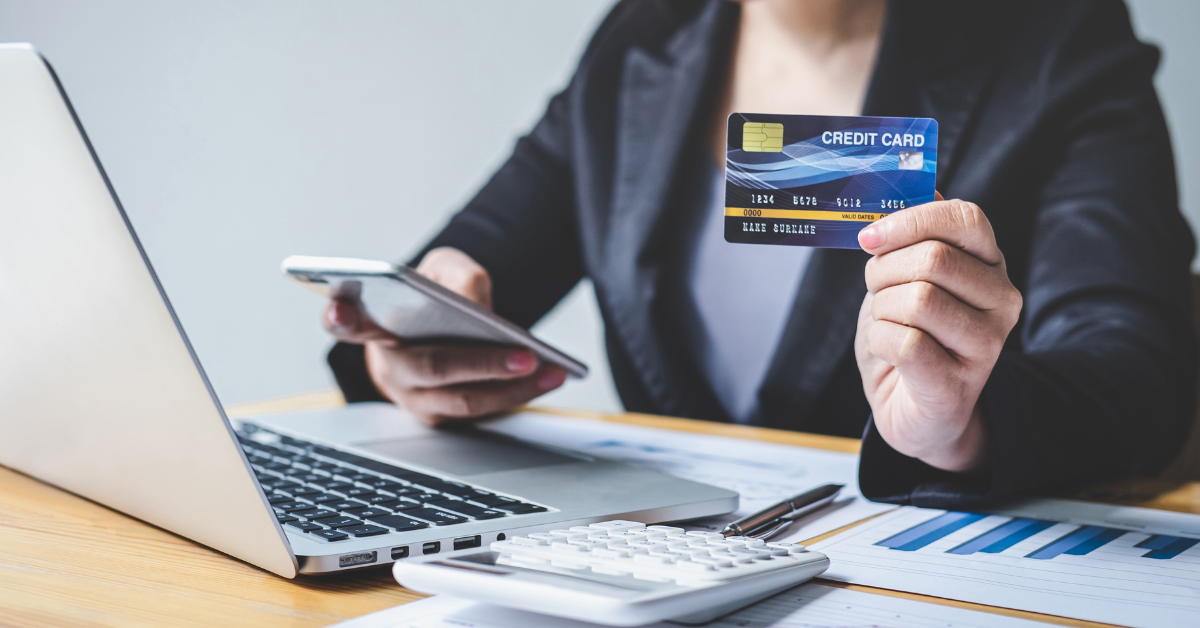
Best practices for paying bills with a credit card
If you’re planning to pay bills with a credit card, there are a few best practices to keep in mind.
- Consider limiting your bill pay to one card: Choosing one card for all your bill payments may make tracking and managing your spending easier than spreading payments over several cards.
- Plan to pay your credit card in full each month: Paying interest on a bill increases the expense and can diminish the value of credit card rewards you may earn. Paying your balance in full and on time each month ensures you won’t pay interest or get charged a late fee. If you’re unable to pay your full credit card bill on time, be sure to pay at least the minimum monthly payment.
- Keep an eye on your credit utilization ratio: Your credit utilization (the amount of your total available credit in use) is one factor that impacts your credit score. You may hurt your credit score if you carry a sizeable monthly balance from bills or other purchases. It’s generally a bad idea to pay bills with your credit card that you can’t afford with your checking account.
What bills can you pay with a credit card?
You may be able to pay a wide range of bills with a credit card, including utility, phone, cable, internet, streaming subscriptions, insurance, and medical bills.
BEST Day to Pay your Credit Card Bill (Increase Credit Score)
FAQ
Can you use bill pay with a credit card?
With BILL Pay By Card, you can make a vendor or contractor payment within BILL using a credit or debit card, even if they don’t accept card payments. Your vendor will receive payment via ACH ePayment or check.
Is it smart to pay bills with a credit card?
What happens if you pay bill with a credit card?
Paying a bill using a credit card or line of credit is treated the same as getting a cash advance. You’ll be charged interest from the time you make the payment, just like you would for a cash advance.
Can I pay someone’s bill with my credit card?
Yes, you can pay a phone bill for someone else. Most phone service providers allow third-party payments. Here are some common methods to do this: Online Payment: You can log into the account of the person whose bill you want to pay (with their permission) and make a payment using a credit/debit card or bank account.
