Hey there, if you’re staring at that credit card bill and thinking, “I can’t pay this dang thing,” you ain’t alone. I’ve been in them tight spots myself, where the numbers just don’t add up, and the stress is eating you alive But listen up—there’s a way outta this mess, and I’m gonna walk you through it step by step We’re gonna tackle this head-on with real, doable solutions to get you back on track. Let’s dive right into what you can do when you can’t pay that credit card bill, starting with the most urgent stuff first.
First Move: Call Your Credit Card Company ASAP
Look, the minute you realize you’re gonna miss that payment, don’t bury your head in the sand. Pick up the phone and call your credit card folks. I know, it’s scary as heck to admit you’re struggling, but trust me, they’ve heard it all before. Most companies got options for people in a bind, and they’d rather work with you than deal with a total default.
Here’s how to handle that call
- Be straight-up honest. Tell ‘em why you can’t pay—maybe you lost your job, got hit with medical bills, or just had a rough month.
- Ask about hardship programs. Some issuers can lower your interest rate for a bit, defer a payment, or cut your minimum due. It’s not a free pass, but it buys you time.
- Get it in writing. If they offer a deal, make sure you got the details on paper or email. You don’t wanna be caught off guard by some fine print.
- Explain what you can pay. Even if it’s just a tiny chunk, show ‘em you’re trying. It might keep things from getting uglier.
Doing this quick can stop late fees and credit score damage before they even start. Most times, a missed payment don’t hit your credit report for at least 30 days, so you got a small window to act. Don’t waste it!
Next Up: Slash Your Spending and Make a Plan
Alright, after you’ve talked to the card folks, it’s time to look at your money situation. I ain’t gonna sugarcoat it—this part sucks. But if you wanna free up some cash to throw at that bill, you gotta get ruthless with your budget. I remember a time I had to cut out every little luxury just to make ends meet, and it weren’t pretty, but it worked.
Try these moves:
- Add up what’s coming in and going out. Write down your income and every single expense. Yeah, even that daily coffee or streaming sub you forgot about.
- Cut the fat. Look for stuff you can ditch—maybe cancel some subscriptions, eat at home more, or skip that weekend outing. Every dollar counts.
- Prioritize your bills. If you can’t pay everything, make sure essentials like rent and food come first. Credit cards gotta fit after that.
- Figure out a minimum you can pay. Even if it’s just the smallest amount due on the card, paying something keeps you from racking up more fees.
There’s a bunch of free budgeting apps out there that can help you track this stuff. Set up a system to see where your money’s slipping away, so you ain’t surprised at the end of the month. Long-term, this kinda planning is gonna save your bacon.
Seek Help If You’re Still Struggling
Sometimes even after cutting corners you still can’t make it work. That’s okay—we all need a hand now and then. There’s resources out there to help you get through this rough patch without losing everything.
Here’s where to look:
- Local assistance programs. Check with your city or state for help with stuff like food or utility bills. If you can cover those basics with support, it frees up cash for your credit card. Some areas got hotlines like “211” that connect you to organizations for housing, food, and more.
- Credit counseling. These folks are like financial coaches. They can look at your whole money picture and give advice on managing debt. Stick with nonprofit groups, though, and ask upfront if there’s fees. I’ve seen buddies get real help from these services, learning tricks to budget better.
- Beware of shady debt relief scams. Some companies promise to “fix” your debt for a fat fee, telling you to stop paying your card altogether. Don’t fall for it. Legit debt settlement places can’t charge you until they’ve actually settled something, and anyone guaranteeing to wipe your debt clean is probably a crook.
Getting outside help can feel like admitting defeat, but it’s really just being smart. You wouldn’t try fixing a busted car engine without a mechanic, right? Same deal with money troubles.
Can a 0% Interest Card Save the Day?
Now, here’s a trick that might work if your credit ain’t totally trashed yet. Some credit cards offer a 0% interest deal for a set time—sometimes up to 21 months—on purchases or balance transfers. That means you could move your debt to one of these cards and not pay a dime in interest for a while, giving you breathing room to pay it down.
But there’s catches:
- You need decent credit to qualify. If you’ve already missed payments, this might not be an option. Usually, you gotta have a score in the “good” range, like 670 or higher.
- There’s often a transfer fee. Moving your balance might cost 3-5% of the amount, so factor that in.
- You still gotta pay it off. Once the no-interest period ends, the regular rate kicks in, and it could be high. Have a plan to clear the debt before then.
I’ve seen this work for folks who just need a temporary break from crazy interest rates (we’re talkin’ over 20% on average these days). But it ain’t a magic bullet—just a tool if you can swing it.
What Happens If You Don’t Pay? The Ugly Truth
Alright, let’s talk about the consequences if you can’t or don’t pay that bill. I’m layin’ this out so you know what’s at stake and why you gotta act fast. Ignoring the problem is like ignoring a leaky pipe—it only gets worse.
Here’s a breakdown of what could happen over time if you miss payments:
| Time Past Due | What Happens |
|---|---|
| 1-29 Days | You get hit with a late fee (check your card terms for the amount). Issuer might send reminders via calls, texts, or mail. |
| 30 Days | Late payment gets reported to credit bureaus, dinging your credit score. Fees pile up. |
| 60 Days | Some issuers slap on a penalty interest rate, making your debt grow faster. Credit score takes a bigger hit. |
| 180 Days | Account could be “charged off”—closed and written off as a loss by the issuer. You still owe the debt, and it stays on your credit report for up to 7 years. Debt might go to collections. |
Missing a payment ain’t just about fees—it messes with your credit score, which impacts everything from getting a loan to renting an apartment. After 30 days, it’s on your record, and the longer it goes, the worse it gets. Plus, if it hits collections, you’re dealing with constant calls and stress. I’ve had pals go through that, and it’s a mighty tough road.
Even worse, if the account gets charged off after 180 days, the issuer closes it for good, but you’re still on the hook for the money. They might sell the debt to a collector who’ll hound you. It’s a nightmare you wanna avoid at all costs.
Protect Your Credit While You’re Struggling
Speaking of credit scores, keep an eye on yours while you’re in this jam. A missed payment can knock points off, and you’ll wanna know where you stand. There’s free tools out there to monitor your credit report—some even show you how a late payment might hurt your score. Check for changes and make sure nothing funky gets reported by mistake.
If you’re worried about the damage, remember this: Paying something, even if it’s not the full minimum, can sometimes keep things from getting reported as late. And once you’re back on your feet, focus on rebuilding that score by paying on time and keeping balances low. I’ve seen folks bounce back from a few missed payments—it takes grit, but it’s doable.
Long-Term Fixes to Avoid This Mess Again
Once you’ve got this current bill under control, let’s think about not getting stuck here again. I’ve learned the hard way that credit cards can be a trap if you ain’t careful. Here’s how to build a sturdier financial life:
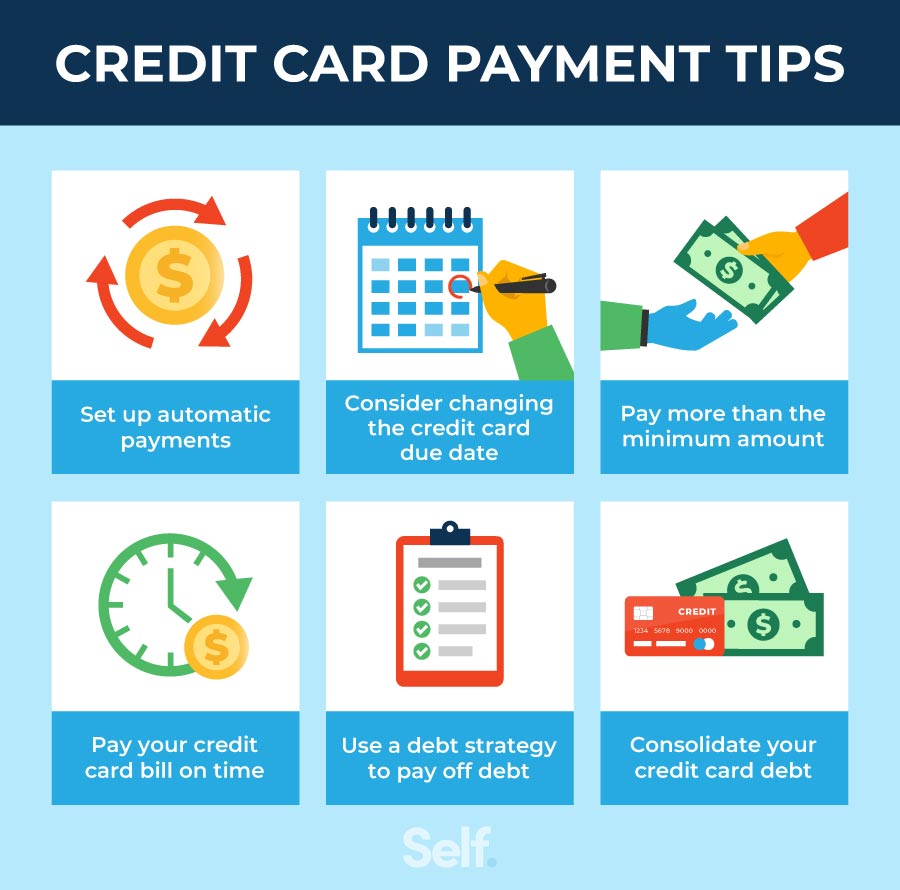
- Set up auto-payments or reminders. If forgetting due dates is your issue, have the payment pulled straight from your bank (just make sure the funds are there). Or set a phone alert a few days before it’s due.
- Change your due date if needed. If all your bills hit at once and your paycheck don’t line up, ask the card company to shift the due date. It might not happen right away, but it can help down the line.
- Build an emergency fund. I know, easier said than done when you’re broke. But even stashing away $20 a month can add up to a buffer for tough times. Start small.
- Use credit cards smarter. Don’t charge more than you can pay off each month. Treat it like cash, not a bottomless pit. I got burned once thinking I could “figure it out later”—big mistake.
Getting to a place where you’re not sweating every bill takes time, but these habits can keep you from falling back into the “I can’t pay my credit card bill” panic. We’re all about progress over perfection here.
Don’t Lose Hope—You’ve Got This
Look, not being able to pay your credit card bill feels like the end of the world, but it ain’t. I’ve been down in the dumps financially, wondering how I’d ever climb out, and I made it through by taking it one step at a time. Start with that call to your card issuer, get real with your budget, and don’t be afraid to ask for help. Every little action you take now keeps the damage from piling up.
Remember, millions of folks are in the same boat—credit card debt in the U.S. is over a trillion bucks right now. That’s a lotta people stressing, but also a lotta people finding ways to manage. You’re not some failure for struggling; you’re just human. Keep pushing, keep communicating with your lender, and focus on the small wins. Maybe today you pay just $10 toward that bill, but that’s $10 less to worry about tomorrow.
If you got questions or need to vent about your situation, drop a comment below. I’m all ears, and I bet other readers got stories or tips to share too. Let’s get through this together—whaddaya say? Stick with these steps, and you’ll find your footing again. Let’s make this financial mess a thing of the past!
What to do when you can’t pay your credit card
Offers in this section are from affiliate partners and selected based on a combination of engagement, product relevance, compensation, and consistent availability.

Freedom Debt Relief has resolved over $20 billion in outstanding debts since 2002. It offers free credit card debt relief consultations.

Started in 2011, Accredited Debt Relief has helped clients resolve over $1 billion in debt.
Find the best credit card for you
Americans currently hold a record amount of credit card debt — over $1 trillion. Adding to the difficulty are rising interest rates, with the average credit card APR over 20%.
All of this has made ends tough to meet. If you cant pay your credit card balance, there are options available before needing to resort to debt consolidation or debt relief. Here are three steps to take if youre struggling to pay your credit card each month.
How to Pay Off Your Maxed Out Credit Cards with ZERO Cashflow!!!| @JustJWoodfin
FAQ
What if I can’t pay my credit card bill?
If you can’t pay your credit card bill, it’s important to act right away. Contact your credit card company immediately. Many card companies are willing to work with you to change your payment if you’re facing a financial emergency. What steps can I take to manage my credit card bills?
What happens if you don’t pay your credit card payments?
Whether you’re facing a momentary cash crisis or a major disruption like job loss, missing credit card payments is a serious issue. Late payments can result in fees, penalty interest rates, account closure and damage to your credit. If you can’t afford to pay your credit card bills, act now: You may be able to gain control over the situation.
What if I can’t pay my credit card debt?
If you can’t pay your credit debt, your card issuer may be willing to negotiate with you. Ask for relief options. If you suspect you’ll need more than just one waived fee, ask your creditor for more relief options, such as a lower minimum payment or even a lower interest rate for a few months until your financial situation stabilizes.
What if I can’t pay my credit card balance?
If you can’t pay your credit card balance, there are options available before resorting to debt consolidation or debt relief. Americans currently hold a record amount of credit card debt — over $1 trillion with an average credit card APR of over 20%. All of this has made it difficult to meet ends.
What should I do if I don’t pay my credit card?
Examples include skip-a-pay programs that let you skip a few payments without penalty or adjusted payment plans with reduced interest rates. Get the details of any arrangement you make in writing. This helps you remember your terms and provides documentation in case there’s any confusion with your card company going forward.
How do I get my credit card bills under control?
Here are a few steps you can take to get your credit card bills under control. 1. Add up your income and expenses Look for ways to cut costs. If you can’t find enough to pay your minimum payment, decide how much you can afford to pay.
What can I do if I can’t afford to pay my credit card?
- Offering you a payment holiday. …
- Making sure a payment holiday does not impact your credit score.
- Increasing your credit card limit.
- Agreeing to a payment plan based on what you can afford to pay.
- Reducing interest rates to support lower payments.
What to do if I can’t pay my credit card bills?
- Try to make at least the minimum payment. …
- Stop using your credit card. …
- Call your credit card issuer. …
- Explore credit counseling. …
- Transfer your balance to a 0% credit card.
What do I do if I cant make my credit card payment?
Contact Your Lenders: Reach out to your credit card issuer and loan provider. Many lenders offer hardship programs or may be willing to negotiate payment plans, lower interest rates, or temporary deferments. Prioritize Payments: If you can’t pay everything, prioritize your payments.
How do I pay off my credit card if I have no money?
- Pay more than minimums on your credit card bills.
- Take the debt snowball approach.
- Use the debt avalanche method.
- Automate your credit card payments.
- Look into 0% balance transfer credit cards.
- Consider a personal loan.
- Think about a debt management plan.
- Consider filing for bankruptcy.
