Have you ever felt overwhelmed by all your monthly bills? I know I have. That’s why services like Doxo can sound so appealing – pay all your bills in one place! But before you jump in you should know that the FTC has recently taken action against this company. Let’s dive into what Doxo is, whether it’s legit and if it’s worth the potential risks.
What is Doxo and How Does it Work?
Doxo is a Seattle-based financial technology company founded in 2008 with a mission to “simplify and reduce the anxiety of paying bills.” According to their website, they’ve helped over ten million customers pay more than 120,000 billers through their platform.
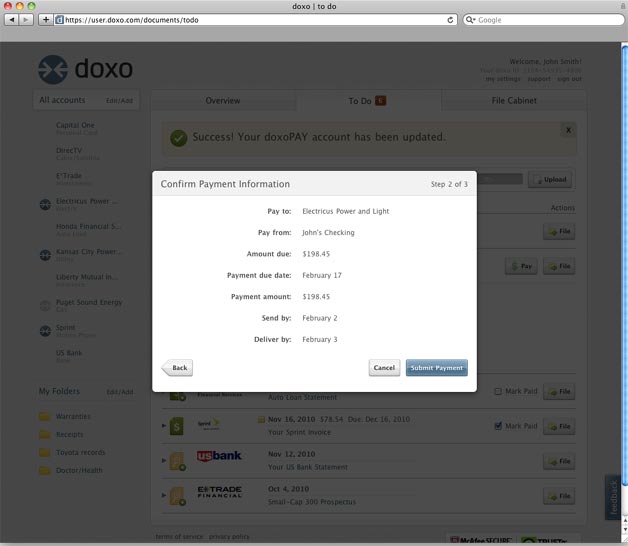
Here’s how Doxo works
- You create an account and add all your bills to one dashboard
- You receive reminders when bills are due
- You can pay bills using your bank account, debit card, or credit card
- Doxo stores your payment history and bill records
- They offer mobile apps for iOS and Android
- They have a premium subscription called doxoPLUS
Sounds convenient, right? But there’s more to the story that you need to know.
The FTC’s Action Against Doxo
In April 2024, the Federal Trade Commission (FTC) took legal action against Doxo and two of its co-founders, CEO Steve Shivers and VP Roger Parks. The charges are pretty serious:
-
Misleading search ads: The FTC claims Doxo uses search ads designed to trick consumers into believing they’re affiliated with the companies they’re trying to pay.
-
Deceptive design practices: According to the complaint, Doxo misleads consumers about millions of dollars in junk fees added to bills.
-
Payment delays: Even though Doxo immediately charges consumers, the company often prints paper checks that are mailed to billers – arriving days or sometimes weeks after customers believe their bills are paid.
The FTC’s complaint states that “tens of thousands of consumers have complained about Doxo’s deceptive practices” and that many consumers have had utilities shut off, insurance lapse, and been charged late fees despite paying their bills on time through Doxo.
The Pros of Using Doxo
Despite the FTC action, Doxo does offer some potential benefits:
- Convenience: All your bills and payment history in one place
- Bill reminders: Helps avoid late fees by sending payment reminders
- Time savings: No need to log into multiple websites
- Paperless billing: Reduces paper clutter
- Cash flow management: Seeing all bills in one place helps with budgeting
- Mobile access: Manage bills on the go
Doxo also points to partnerships with major companies like TransUnion, Plaid, Apple, and claims to have an 85% positive customer satisfaction rating.
The Cons and Risks of Using Doxo
Now for the not-so-good stuff:
-
Service fees: While joining is free, Doxo charges $1.99 per electronic bill payment unless you upgrade to doxoPLUS ($4.99-$5.99/month)
-
Payment delivery issues: The FTC complaint notes that Doxo may send payments via paper check that arrive days or weeks after you’ve paid
-
Limited biller relationships: According to the FTC, “Less than 2% of the billers in Doxo’s purported payment ‘network’ have actually authorized Doxo to receive payments on their behalf.”
-
Deceptive marketing: The FTC alleges that Doxo’s landing pages prominently feature biller company names and sometimes logos, even though they generally don’t have formal relationships with those companies
-
Hidden fees: The complaint states that Doxo adds extra fees at the final payment step, displayed only in “greyed-out fine print”
-
Security concerns: Providing bank or credit card details to a third party always carries some risk
-
Customer service problems: Many complaints cite difficulties resolving payment issues
What Do Reviews Say About Doxo?
Doxo claims to have good ratings on several platforms:
- They state they’re “consistently rated four stars or better” on Apple Store, Google Play, Trustpilot, Sitejabber, and Best Company
However, other sources paint a different picture:
- The Better Business Bureau gives Doxo a B+ rating but shows 356 closed complaints over 3 years
- The Consumer Financial Protection Bureau has received over 130 complaints against Doxo
- Common complaints include inaccurate or failed payments, unauthorized withdrawals, and poor customer service
Is Doxo Ultimately Safe and Legitimate?
So, is Doxo legitimate? The answer isn’t simple.
Doxo is a real company that’s been in business since 2008 and serves millions of users. They aren’t a fly-by-night scam operation. However, the FTC’s action raises serious concerns about their business practices and transparency.
The biggest issues appear to be:
- Misrepresentation: Making consumers believe they’re dealing directly with their billers
- Hidden fees: Not clearly disclosing all charges upfront
- Payment delays: The gap between when Doxo charges you and when your biller receives payment
- Limited biller relationships: Most companies in their “network” haven’t actually authorized them
Should You Use Doxo for Bill Payments?
Based on the available information, here’s my advice if you’re considering Doxo:
Consider safer alternatives first:
- Pay directly through your billers’ websites (often free)
- Use your bank’s bill pay service (typically free and more reliable)
- Set up automatic payments with trusted billers
If you still want to try Doxo:
- Start small: Try one non-essential bill first to test their service
- Allow extra time: Pay bills well before due dates to account for potential delays
- Monitor carefully: Check that payments are actually reaching your billers
- Use strong security: Create a unique, strong password for your Doxo account
- Read the fine print: Be aware of all fees before confirming payments
- Consider doxoPLUS: If you use the service regularly, the subscription may save money over per-payment fees
Final Thoughts: Proceed with Caution
While Doxo offers a convenient way to manage multiple bills, the FTC action and numerous consumer complaints suggest significant problems with their business model and practices.
The company presents itself as a legitimate bill payment service with strong partnerships and high customer satisfaction. But the gap between this presentation and the FTC’s allegations is concerning.
I’d recommend exploring other bill payment options before turning to Doxo. If you do use their service, proceed with extreme caution, monitor your accounts carefully, and be prepared to address any payment issues promptly.
Remember that the most secure way to pay bills is usually directly through your billers’ official websites or through your bank’s bill payment service. The convenience Doxo offers may not be worth the potential headaches and extra costs.
Third-party bill pay company doxo accused of duping customers
FAQ
Is doxo a safe way to pay bills?
If the bills got paid, what’s the problem? There’s lots of them, says the FTC. People who paid their bills through Doxo often paid fees to Doxo on top of what they owed on the bill they were trying to pay. And, in some cases, the payment never got to the company that issued the bill.
How does doxo bill pay work?
But with doxo’s Private Pay Wallet, users can pay any bill without ever sharing their bank or card information with their billers. A single, secure wallet makes it easy to make payments on any device, using a bank account, credit card, debit card, or Apple Pay.
What companies use doxo for payments?
Contact us now to learn more. Major companies that doxo purports to be a payment servicer for include Comcast, Chase Bank, Verizon, AT&T-Wireless, Wells Fargo, Capitol One, Bank of America, State Farm, Credit One Bank, DIRECTV, Waste Management, Geico, Progressive, and T-Mobile, among many others.
Is bill pay safe to use?
