Hey there friend. So you’re staring at that health insurance bill, and your wallet’s screaming “no way!” I get it—life throws curveballs, and sometimes that monthly premium feels like a mountain you can’t climb. But lemme tell ya straight up not paying your health insurance bill ain’t just a minor oops. It can spiral into some serious mess, from losing your coverage to financial headaches down the road. We’re gonna walk through exactly what happens if you skip that payment, step by step, so you know what’s coming and how to dodge the worst of it. Stick with me—I’ve got your back on this one.
The Immediate Hit: Missing That First Payment
Alright, let’s start at square one. You miss your health insurance payment. Maybe it’s due on the 1st, and here it is the 2nd, and you ain’t got the cash. Don’t panic just yet. Most insurance plans don’t drop you like a hot potato the second you’re late. There’s usually a little wiggle room called a grace period. Think of it as a buffer—a short window to get your act together and pay up before things get ugly.
- What’s a grace period, anyway? It’s a set amount of time after your due date where you can still pay your premium without losing coverage. For a lot of folks with Marketplace plans (you know, the ones through HealthCare.gov) who use a premium tax credit to lower their costs, this window is often 3 months. Yep, you got 90 days to catch up.
- Who gets this 3-month deal? Mainly peeps who’ve paid at least one full month’s premium in the current year and are getting that tax credit help. If you ain’t using a tax credit, your grace period might be shorter—sometimes way shorter. You’d need to check with your state’s rules or your insurance peeps for the exact deets.
- What if I pay some but not all? Here’s the kicker: even if you pay for the next couple months but skip the first missed one, you’re still at risk. That grace period starts ticking from the first month you didn’t pay. So, don’t think partial payments will save ya completely.
Here’s a quick example to make it crystal clear Say you miss your May bill You pay June and July on time, but May’s still unpaid. If that 3-month grace period ends on July 31st and you haven’t coughed up for May, your coverage could get yanked all the way back to May 31st. That means you’re uninsured for anything after that, even if you thought you were good. Brutal, right?
When the Grace Period Runs Out: Losing Your Coverage
Now, let’s say you couldn’t scrape together the money, and that grace period—whether it’s 3 months or less—comes and goes. What happens next? Well, brace yourself, ‘cause this is where it gets real. Your insurance company can straight-up end your coverage. And it ain’t just “see ya later”—it’s often retroactive to the first month you didn’t pay.
- Retroactive termination? What’s that? It means they cancel your coverage as if you were never insured for those months you didn’t pay. So, if you missed May and didn’t pay by the end of July, they might say you’ve been uninsured since June 1st. Any doctor visits or meds during that time? You’re on the hook for the full cost, buddy.
- Can they really do that? Yup, they sure can. Insurance companies need those premiums to keep your plan active. No pay, no play. And during that grace period, they might not even cover services in the later months—so don’t assume you’re safe to see a doc without checking with ‘em first.
- What’s my next move if I lose coverage? Unfortunately, losing coverage for not paying doesn’t qualify you for a special chance to enroll in a new plan right away. You’re stuck waiting for the next Open Enrollment Period—usually from November to mid-January. Unless you’ve got a life event like moving or having a baby that lets you sneak into a special enrollment, you’re outta luck for months.
This waiting game can be a real pain. Imagine needing a doctor in August but having to wait till November to even sign up for a new plan, and then coverage might not kick in till January That’s a long stretch with no safety net And if you lose coverage before mid-December, you might not even get auto-re-enrolled for the next year. It’s a hassle, and trust me, you don’t wanna be in that spot.
The Bigger Domino Effect: No Coverage, No Buffer
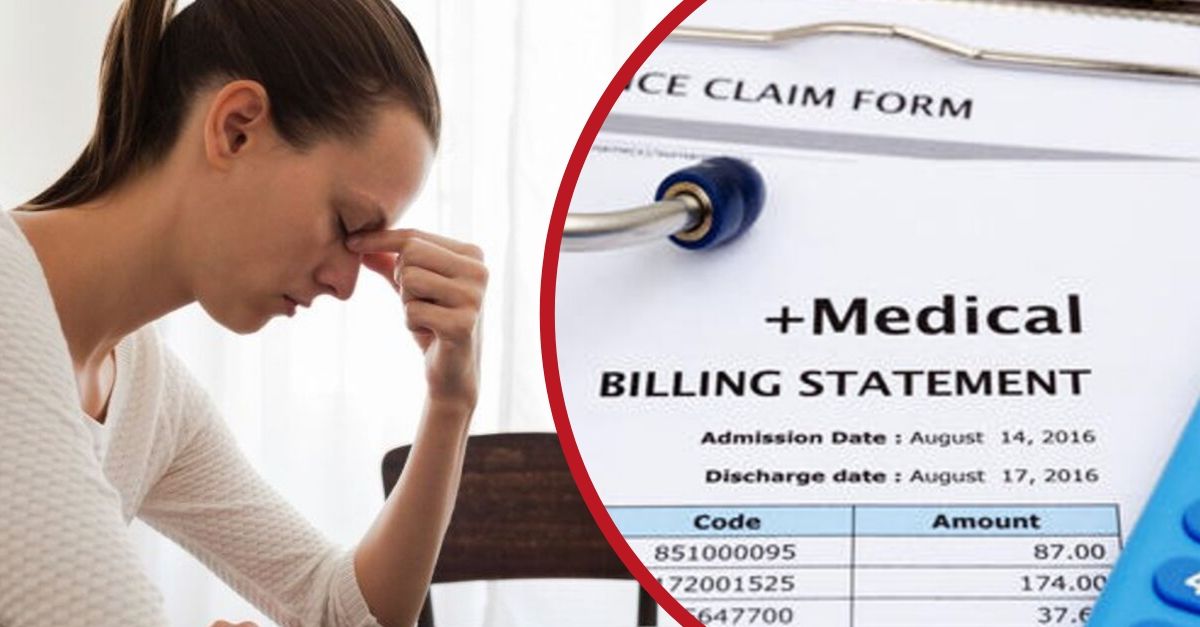
Alright, so you’ve lost your health insurance. Now what? This is where the dominoes start falling hard. Without coverage, any medical needs—whether it’s a check-up, an emergency room trip, or a dang prescription—become 100% your problem. And medical bills? They stack up faster than you can say “hospital.”
- Full price for everything. Without insurance, you’re paying the full, non-discounted rate for healthcare. A simple doctor visit could be hundreds of bucks. An ER trip? Thousands. It ain’t pretty.
- Turning into medical debt. If you can’t pay those bills right away, they turn into debt. And lemme tell ya, medical debt is a beast. It’s one of the biggest reasons folks end up in financial hot water in the U.S. We’re talkin’ bills that linger, stress you out, and mess with your peace of mind.
- Avoiding care altogether. I’ve seen it happen—folks skip the doctor ‘cause they know they can’t afford it without insurance. That small cough turns into pneumonia, or a minor ache becomes a major surgery. Ignoring your health ‘cause of money fears just makes everything worse.
Here’s a lil’ table to show how quick this can spiral:
| Scenario | Cost Without Insurance | Potential Outcome |
|---|---|---|
| Routine Check-Up | $150–$300 | Delayed care, worsens condition |
| Emergency Room Visit | $1,000–$5,000+ | Massive bill, turns to debt |
| Prescription Meds (monthly) | $50–$500+ | Skip meds, health deteriorates |
See how fast that adds up? One missed premium can lead to a chain of unpaid medical stuff that buries ya.
The Financial Fallout: Debt Collectors and Credit Hits
Now, let’s talk about the really ugly side if those medical bills pile up ‘cause you ain’t got insurance no more. If you don’t pay for healthcare services outta pocket, those bills don’t just disappear. They often get sent to collections, and that’s a whole new level of stress.
- How soon do bills go to collections? Depends on the provider, but sometimes as quick as 60 days after the bill’s due. Some give ya up to 4 months, but don’t bank on it. Once it’s with a collection agency, it’s harder to negotiate than with your doc or hospital directly.
- What’s collections like? These folks ain’t playing nice. They’ll call, send letters, and hound ya for the cash. If it gets bad enough, you could end up in court. Worst case, they might garnish your wages—taking a chunk of your paycheck—or even put a lien on your house. That’s some scary stuff.
- Will it trash my credit? Here’s a bit of good news with a catch. There’s a 365-day waiting period before medical debt shows up on your credit report. That gives ya a year to sort it out with the collector. Plus, if the debt’s under $500, it won’t show up at all. And if you pay it off later, it gets wiped from your report. But if you can’t resolve it after a year, your credit score takes a hit, makin’ loans or credit cards tougher to get.
I ain’t gonna sugarcoat it—this kinda debt can follow you for years, messin’ with your ability to buy a car, rent a place, or just live without that constant worry. It’s why keepin’ that insurance active is so dang important.
What Can You Do If You Can’t Pay? Tips to Save Yourself
Okay, enough doom and gloom. Let’s switch gears to what you can actually do if you’re in this bind—or wanna avoid it altogether. I’ve been in tight spots myself, and trust me, there’s ways to fight back against this mess. Here’s some practical advice to keep your head above water.
- Talk to your insurance company ASAP. Don’t ghost ‘em if you miss a payment. Call or email right away and explain your situation. Sometimes, they can work out a temporary plan or point ya to resources. Communication is key, fam.
- Check if you’re in a grace period. Find out how long you’ve got to pay up before coverage drops. If it’s that 3-month window, hustle to get the money together. Sell some old stuff, pick up a side gig—whatever it takes.
- Look for help with premiums. If you’re on a Marketplace plan, see if you qualify for more tax credit help based on your income. Lower premiums might make it easier to catch up. There’s also local programs or charities in some areas that help with insurance costs—worth a Google.
- Negotiate medical bills if coverage lapses. If you’ve already lost insurance and got bills, don’t just ignore ‘em. Call the hospital or doc and ask for an itemized bill—check for errors first. Then, see if they’ll let ya pay in installments with no interest or even cut the total if you pay a lump sum. Don’t use a credit card for this, though—it just adds more debt.
- Know your rights with collectors. If a bill goes to collections, remember they can’t harass ya 24/7. They ain’t allowed to call super early or late, or pretend to be someone they’re not. And thanks to some newer rules, you’ve got that year before it hits your credit, so use that time to negotiate or pay what you can.
Here’s a quick checklist to keep handy:
| Action Step | Why It Helps |
|---|---|
| Call insurance company | Might get a payment extension or plan |
| Confirm grace period length | Know your deadline to avoid coverage loss |
| Seek premium assistance | Could lower costs to make paying easier |
| Negotiate unpaid medical bills | Reduce total owed or set up payment plans |
| Understand collector rules | Protect yourself from unfair tactics |
Why Paying That Bill Matters (And How to Prioritize It)
Lemme wrap this up with a lil’ heart-to-heart. Paying your health insurance bill ain’t just about avoiding a hassle—it’s about protecting yourself from a world of hurt. I know it’s tough when money’s tight, but think of it as an investment in your peace of mind. Without insurance, one bad accident or illness can wipe out your savings or put ya in debt for decades. I’ve seen friends go through it, and it’s rougher than you’d ever imagine.
If you’re strugglin’ to make that payment a priority, here’s how to rethink your budget quick-like:
- Cut non-essentials first. Skip the fancy coffee or streaming subscriptions for a month. That $5 here and $10 there adds up.
- Set a reminder. Put that due date in your phone with an alarm a few days before. Missing it by accident ain’t worth the risk.
- Ask for help if you need it. Family, friends, or even community groups might pitch in for a month if you’re honest about the jam you’re in.
Final Thoughts: Don’t Let This Slip Through the Cracks
So, what happens if you don’t pay your health insurance bill? It starts with a grace period—maybe 3 months if you’re on a Marketplace plan with tax help—then escalates to losing coverage, paying full price for medical needs, and possibly facing debt collectors if bills stack up. It’s a slippery slope, no doubt, but you’ve got options. Reach out, negotiate, and hustle to keep that coverage if you can. We all hit rough patches, but ignorin’ this bill can turn a small problem into a lifelong regret. Got questions or stuck on this? Drop a comment below—I’m here to help ya figure it out. Let’s keep pushin’ through together.
Premium payments, grace periods, & losing coverageItâs important to pay your monthly plan premium in full to your insurance company â not the Marketplace â by the due date.
A short period after your monthly health insurance payment is due to pay all owed premiums to avoid losing coverage.
Refer to glossary for more details.
- A Marketplace plan and use the A tax credit you can take in advance to lower your monthly health insurance payment (or âpremiumâ). When you apply for coverage in the Health Insurance Marketplace®, you estimate your expected income for the year. If you qualify for a premium tax credit based on your estimate, you can use any amount of the credit in advance to lower your premium.Refer to glossary for more details. .
- Already paid at least one full months premium during the A year of benefits coverage under an individual health insurance plan. The benefit year for plans bought inside or outside the Marketplace begins January 1 of each year and ends December 31 of the same year. Your coverage ends December 31 even if your coverage started after January 1. Any changes to benefits or rates to a health insurance plan are made at the beginning of the calendar year.Refer to glossary for more details. .
If you donât use the premium tax credit, your grace period may be different.
Enroll in health insurance
Find out if you qualify for a Special Enrollment Period
What Happens If You Don’t Pay Hospital Bills? – CountyOffice.org
FAQ
What happens if you don’t pay your health insurance bill?
If you’re in your grace period
Pay all your owed premiums to avoid losing your coverage before your grace period ends. If you don’t pay all owed premiums, you may lose your coverage dating back to the first month you missed the premium payment. You may also have to wait to get health coverage.
Does unpaid health insurance go on your credit?
What happens if I stop paying for my insurance?
Insuramatch warns that even if you miss one payment, your insurance carrier may cancel your insurance coverage. When you apply for a new policy, you will probably have to pay more due to the lapse in coverage.
Does unpaid insurance go on your credit?
