Have you ever wondered if escaping the 9-to-5 grind could actually add years to your life? I’ve been researching this fascinating topic for my blog, and what I’ve found might surprise you The connection between early retirement and longevity isn’t as straightforward as headlines might suggest, but there’s compelling evidence that hanging up your work boots sooner rather than later could actually help you live longer
The Research: Does Early Retirement Really Extend Your Life?
Several studies have pointed to a positive correlation between early retirement and increased lifespan. One particularly eye-catching study from the University of Amsterdam published in the journal of Health and Economics in 2017 found that male Dutch civil servants who retired early were a whopping 42% less likely to die over the subsequent five years compared to those who continued working.
That’s not just a small statistical blip – it’s a massive difference that deserves attention!
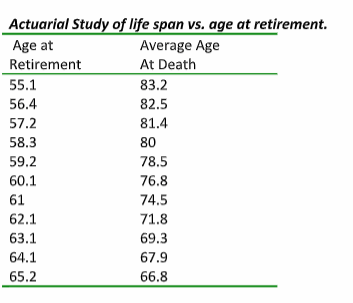
Similarly, Dr. Sing Lin’s research on Boeing retirees revealed a startling pattern
- Employees retiring at 65 typically received pension checks for only about 18 months before death
- Those who retired at 55 (ten years earlier) continued receiving checks well into their 70s and 80s
As Jonathan Look Jr. pointed out in his Forbes article, additional research from England, Israel, Germany, and other European countries has consistently demonstrated substantial health benefits to retiring early. In fact, an American analysis suggested that seven extra years of retirement can benefit your health as much as reducing your risk of serious diseases like diabetes or heart conditions by 20%.
Why Early Retirement Might Help You Live Longer
So what’s going on here? There seem to be two main explanations for why leaving work early could extend your life:
1. More Time for Health Investments
When you retire, you suddenly have something precious that was in short supply before: TIME. This newfound freedom allows you to:
- Sleep more and better (no more alarm clocks!)
- Exercise regularly at times that work for YOU
- Prepare healthier meals instead of grabbing fast food
- See doctors promptly when issues arise, not just when you can fit it in
I remember when my uncle retired at 58 – within six months, he’d established a morning walking routine, joined a tennis club, and was sleeping a solid 8 hours every night. Five years later, his doctor was amazed at how his blood pressure and cholesterol had improved!
2. Reduced Stress Levels
Work can be incredibly stressful, and chronic stress is a known risk factor for numerous health problems including:
- Hypertension
- Cardiovascular disease
- Stroke
- Immune system suppression
- Mental health issues
The Dutch study specifically found that early retirees were significantly less likely to die from stroke or cardiovascular diseases – conditions strongly linked to stress.
The Counter Argument: Can Retirement Actually Harm Your Health?
Before you hand in your resignation tomorrow, it’s worth noting that not all research points in the same direction. Some studies suggest that retirement without purpose can actually be detrimental.
Martin Seligman’s work, discussed in his book “Helplessness: On Depression, Development, and Death,” indicates that men who traded corporate jobs for a life of pure leisure actually lived shorter lives than those who continued working or took on meaningful “second act” jobs.
The key insight here? It’s not just about quitting work – it’s about what you do afterward.
Finding the Balance: How to Retire Early AND Live Longer
Based on all this research, here’s what seems to be the sweet spot for maximizing longevity through early retirement:
Retire Early But Stay Engaged
Leaving the workforce doesn’t mean leaving purpose behind. The healthiest early retirees seem to be those who:
- Develop new interests and hobbies
- Take on meaningful volunteer work
- Start “passion projects” or small businesses
- Travel and experience new cultures
- Maintain strong social connections
- Challenge themselves mentally and physically
As Jonathan Look Jr. (who retired at 50) wrote, “What makes for a happy retirement is getting out of your comfort zones, taking time to expand your universe and taking on new and exciting challenges.”
Make Health a Priority
With your newfound time freedom, putting health first becomes much easier:
- Establish consistent sleep patterns
- Create an exercise routine you actually enjoy
- Cook nutritious meals at home
- Schedule regular health check-ups
- Practice stress reduction techniques like meditation or yoga
Real-Life Examples: Early Retirees Who Are Thriving
I’ve spoken with dozens of early retirees for this blog, and their stories consistently show a pattern of improved wellbeing after leaving traditional work behind:
Maria retired at 52 from her high-pressure banking job. Her chronic migraines disappeared within months, and at 65, she now runs half marathons – something she never would have had time to train for while working.
David left his engineering career at 56 and volunteers teaching science to underprivileged kids three days a week. At 70, his doctor says he has the cardiovascular health of someone in their 50s.
Raj retired from accounting at 54 and moved to a small coastal town where he walks the beach daily and has taken up woodworking. His previously troublesome high blood pressure normalized without medication within a year.
Financial Considerations: Can You Afford to Retire Early for Health’s Sake?
Of course, the elephant in the room is whether early retirement is financially feasible. Not everyone can afford to stop working in their 50s. However, there are some middle-ground approaches:
- Downshifting: Reduce to part-time work to decrease stress while maintaining some income
- Career change: Switch to a less demanding job that still provides benefits
- Semi-retirement: Work seasonally or as a consultant with extended time off
- Geographic arbitrage: Relocate to an area with lower cost of living to make savings stretch further
The key is finding the balance between financial security and escaping the potential health costs of continuing high-stress work into your 60s or beyond.
My Personal Take: Is Early Retirement Worth It?
As someone who’s been studying this topic extensively, I’m convinced that early retirement – when approached thoughtfully – offers significant health and longevity benefits. However, I believe the research points to some important caveats:
- Retirement without purpose can be detrimental
- Financial stress from inadequate retirement savings can negate health benefits
- Some people genuinely love their work and derive meaning from it
The ideal scenario seems to be retiring from stressful, obligatory work while maintaining purpose, social connection, and physical activity.
Planning for a Longevity-Boosting Retirement
If you’re considering early retirement with health benefits in mind, here’s a comprehensive checklist to consider:
Financial Preparations
- Calculate your true retirement number (including healthcare costs!)
- Build multiple income streams for security
- Consider long-term care insurance
- Plan for inflation and unexpected expenses
Health Preparations
- Establish healthy habits before retiring
- Research healthcare options (especially if retiring before Medicare eligibility)
- Create an exercise plan you’ll actually enjoy
- Find doctors you trust for ongoing care
Purpose Preparations
- Identify interests and passions to pursue
- Consider volunteer opportunities
- Build non-work social connections
- Explore potential part-time or seasonal work that brings joy
Common Questions About Early Retirement and Longevity
Is there an ideal age to retire for maximum health benefits?
The research doesn’t point to a specific “perfect” age. The studies showing health benefits typically looked at retirement in the 55-60 range compared to working into the mid-60s or beyond. The key factor seems to be retiring while still in good enough health to establish new active routines.
Does the type of job you retire from matter?
Absolutely! The longevity benefits appear strongest for those leaving high-stress positions. Someone with a physically demanding job might see musculoskeletal improvements, while those leaving mentally taxing work might experience cognitive benefits and stress reduction.
Can early retirement actually decrease lifespan for some people?
Yes, particularly for those who:
- Have no interests or activities outside work
- Derive their entire identity from their career
- Lack social connections beyond coworkers
- Experience financial stress due to inadequate savings
How long does it take to see health benefits after retiring?
Several studies suggest improvements begin almost immediately, with reduced stress markers appearing within months. The full mortality benefit observed in the Dutch study was measured over five years.
Conclusion: The Freedom to Choose Health
When you boil it all down, the research suggests that early retirement can indeed help you live longer – but only if you replace work-related stress with purpose, activity, and joy rather than idleness and isolation.
The ideal approach seems to be retiring from obligation but not from engagement. We need challenges and meaning at every life stage, but having the freedom to choose those challenges rather than having them imposed by financial necessity appears to offer significant health advantages.
What do you think? Have you observed health changes in retirees among your friends and family? I’d love to hear your experiences in the comments!
And if you’re on the fence about early retirement, perhaps this evidence that it might actually extend your life will help tip the scales. After all, what’s the point of saving diligently for decades of retirement if you don’t give yourself enough healthy years to enjoy it?
Remember, as the old saying goes – nobody on their deathbed ever said, “I wish I had spent more time at the office.”
A closer look at the relationship between retirement and mortality.
- Retiring early is neither beneficial nor detrimental to your mortality risk or longevity, a new review finds.
- When ignoring prior health status, on-time retirement seems to lead to higher mortality rates.
- Demographic factors like age, gender, prior health, and socioeconomic status affect mortality at retirement.
- The “healthy worker effect” likely explains higher mortality for on-time retirees in unadjusted studies.
For many of us, the dream of an early retirement is always at the back of our minds. We dream of a well-deserved reward after decades of hard work—filled with relaxation, endless travel, and the pursuit of hobbies.
But what if retiring early could actually shorten your lifespan? Conversely, could working longer be the key to a longer, healthier life? These questions have long been debated, with conflicting opinions and beliefs swirling around the relationship between retirement timing and longevity.
In a quest to unravel this mystery, researchers recently conducted a comprehensive review, analysing data from 25 longitudinal studies spanning the United States, Canada, Japan, and several European nations. Their findings, published in the Journal of Epidemiology and Community Health, offer a nuanced and thought-provoking perspective on the retirement-longevity debate.
No Evidence for Early Retirement Increasing Mortality Risk
One of the most striking revelations from the review was that early retirement—defined as retiring before the statutory retirement age—did not appear to increase the risk of dying earlier compared to those who worked until the retirement age. This finding challenges the widely held belief that an early exit from the workforce might be detrimental to ones health and longevity.
Interestingly, the study found that on-time retirement (retiring at the statutory retirement age) was initially associated with a higher risk of mortality compared to working beyond retirement age. In studies that did not account for individuals prior health status and demographic factors, on-time retirement was associated with a higher risk of mortality compared to those who continued working beyond the retirement age.
But theres a logical explanation for this paradox: the “healthy worker effect.” This suggests that individuals who remain employed tend to be healthier than those who retire or leave the workforce due to health reasons. Essentially, individuals who are healthier and have fewer health issues are more likely to be able to continue working past the retirement age, while those with poorer health or underlying conditions may be more inclined or forced to retire at the statutory age.
When the researchers looked at studies that did adjust for prior health status, the association between on-time retirement and increased mortality risk disappeared. By not adjusting for prior health status, studies may erroneously attribute the higher mortality risk observed in retirees to the act of retirement itself, rather than recognizing that individuals with poorer health are more likely to retire earlier. This finding underscores the importance of considering individuals health histories when examining the relationship between retirement timing and longevity.
Further, the findings also highlight that policymakers should consider potential health inequalities within the working population as statutory retirement ages continue to rise. Individuals in physically demanding or high-stress occupations may, for example, face greater challenges in prolonging their working lives due to health-related limitations. THE BASICS
