The gender pay (or wage) gap has been a burning issue in the last few years, especially when it comes to sports. Recently, American actor and stand-up comedian Bill Burr has added more fuel to the fire after he hilariously impersonated a female soccer player fighting for an equal wage gap. While Burr’s impersonation might be on point, his intention behind the act has sparked a huge rage on social media.
As a die-hard comedy fan, I’ve always appreciated comedians who aren’t afraid to push boundaries. And let me tell ya, nobody pushes those boundaries quite like ol’ Billy Redface himself – Bill Burr. Recently, his takes on equal pay in sports have got people either applauding or reaching for their pitchforks. So what’s the deal with Bill Burr and his controversial stance on equal pay? Let’s dive into this spicy topic!
The Burr Bomb That Started It All
In his comedy special “You People Are All The Same,” Burr dropped what many consider a truth bomb (or an outrageous take, depending which side you’re on):
“I don’t think women should get equal pay to men in sports until they start selling out arenas like the men do. The men, they bring in way more money than the women do. I’m not even being a jerk about it. I’m just saying if I was a business owner and you had one business doing X amount and another doing 10X, I’m not paying you the same.”
Sheesh! Talk about not sugarcoating things. This statement has become the centerpiece of Burr’s stance on the gender pay gap in sports, and boy has it created waves.
Burr’s Main Argument: It’s All About the Benjamins
Burr’s basic premise boils down to simple business economics:
- Sports is fundamentally an entertainment business
- Players should be paid proportionate to the revenue they generate
- Since men’s leagues typically bring in more cash, male athletes should earn more
- It’s not about gender – it’s about dollars and cents
When ya put it like that, it almost sounds reasonable, doesn’t it? Well, not to everyone…
The Backlash: “That’s Just Plain Wrong, Bill!”
As you might expect, Burr’s take didn’t exactly win him a Nobel Peace Prize. Many fans and critics alike have slammed his stance as:
- Sexist and misogynistic
- Ignorant about systemic barriers women face
- Dismissive of the broader wage gap issues
- Oversimplified and lacking nuance
Reddit has been particularly ablaze with debates over Burr’s perspective Some users defend his logic, while others are.. let’s just say less than impressed.
The Viral Mockery: When Bill Met Alisha
In a viral video posted by YouTube channel Hello My Friend Burr took aim at West Ham United’s star forward and Swiss International Alisha Lehmann. She had expressed frustration about how people perceive women’s sports compared to men’s.
Alisha stated in a press conference: “How people look at us and how people look at them, it’s just not the same. (To us) they are like aww she plays football.”
Burr, in his signature style, mimicked her with exaggerated frustration When addressing the stat that men get $69,000 per match in the World Cup final compared to women’s $5,500, Burr bluntly stated while mocking “You don’t sell any fkg tickets.”
Ouch. That’s the kinda statement that makes PR people need a drink.
The Counterpoints: It’s Not That Simple, Bill
While Burr makes some economic points that are hard to argue with on paper, advocates for equal pay have several compelling counterarguments:
1. Skill and Ability Should Matter
Female athletes train just as hard and compete with just as much determination as males. Shouldn’t their skill level and accomplishments factor into compensation?
2. Historic Disadvantages Are Still Felt Today
Women’s sports have faced decades (centuries, really) of systemic barriers and discrimination. Today’s wage disparities are partly an extension of those historical imbalances.
3. It’s About Rate, Not Total
The pay gap discussion often centers on the rate of compensation, not necessarily total earnings. Male players often receive significantly higher pay rates regardless of revenue.
4. Give Equal Marketing, Get Equal Results
If women’s sports received equal marketing, broadcasting, and promotion, they could potentially generate comparable revenues over time.
5. Social Impact Matters Too
Elevating female athletes provides role models for young girls and helps shift cultural norms. This generates significant future value beyond immediate revenue.
A Comedian’s Job: Stirring the Pot
I think it’s worth remembering that Bill Burr is, at the end of the day, a comedian. His job is to provoke reactions and stimulate discussion through humor – often inflammatory humor. Burr likely doesn’t expect everyone to agree with him. Heck, he probably doesn’t want them to!
By presenting logical but unpopular opinions, Burr forces listeners to examine their own assumptions. Even those who are angered by his rhetoric are compelled to analyze their positions more deeply.
As Burr himself might say (in that Boston accent): “I’m just here to make ya laugh and maybe think a little bit, for Christ’s sake!”
The Numbers Behind the Controversy
Let’s look at some hard facts that fuel this debate:
- Bill Burr’s speaking fee is estimated at $200,000 and above per show
- Burr’s net worth is estimated between $12 to $14 million
- In soccer World Cups, men earn approximately $69,000 per match when reaching the final
- Women earn about $5,500 in comparable situations
These numbers illustrate the stark contrast not just between male and female athletes, but also how lucrative it can be to talk about these disparities from a stage!
The Bigger Picture: Sports as a Microcosm
The equal pay debate in sports reflects wider societal discussions about gender equality. The Equal Pay Act of 1963, championed by Esther Peterson, protects against wage discrimination based on sex, but implementation and reality often differ widely.
Sports, with its clear metrics and public visibility, becomes an ideal battleground for these larger societal issues. When someone like Burr weighs in, it amplifies the conversation exponentially.
So Who’s Right? It’s Complicated…
Like most heated debates, there’s merit to arguments on both sides:
Pro-Burr camp says:
- Revenue disparities are real and significant
- Business logic dictates proportional compensation
- Equal pay without equal revenue isn’t sustainable
Anti-Burr camp counters:
- Historical disadvantages require correction
- The revenue gap is partly due to unequal promotion
- Value extends beyond immediate dollars and cents
My Two Cents (Which Ain’t Worth Much)
As someone who’s followed this debate closely, I think both sides have valid points. The revenue disparity is undeniable, but so are the systemic barriers that have contributed to it.
Perhaps the solution isn’t immediate equal pay regardless of revenue, but rather equal investment, promotion, and opportunity that could eventually lead to comparable revenues and, consequently, comparable compensation.
What I appreciate about Burr’s take, regardless of whether I agree with all of it, is that it forces us to confront uncomfortable realities and consider multiple perspectives. That’s what great comedy often does.
The Evolving Landscape
Women’s sports are gaining popularity and generating increasing revenue. The WNBA, women’s soccer, and other female sports continue to grow their audiences. This evolution may naturally address some of Burr’s economic arguments over time.
Leagues are incrementally closing wage gaps, but achieving true pay equality will likely take years, if not generations. Meanwhile, high-profile figures like Bill Burr keep the conversation going through their provocative commentary.
Final Thoughts: Burr Being Burr
Love him or hate him, Bill Burr isn’t likely to change his approach anytime soon. His unapologetic comedy on hot topics like gender pay parity will continue to provoke both outrage and agreement.
While his blunt views on equal pay frustrate many, he’s doing what comedians have done for centuries – pushing boundaries, questioning norms, and getting audiences passionately engaged.
Whether his social contribution outweighs the potential harm of his message is something each of us must decide individually. But one thing’s for sure – Bill Burr has got us all talking about equal pay. And maybe that’s not such a bad thing after all.
What do you think? Is Burr just speaking business truths nobody wants to hear, or is he overlooking important factors in the equal pay debate? Drop a comment below – I’d love to hear your thoughts on this heated topic!
FAQs About Bill Burr and Equal Pay
How much does Bill Burr charge per show?
Bill Burr commands a speaking fee estimated at $200,000 and above per event.
What is Bill Burr’s net worth?
Bill Burr’s net worth is estimated between $12 to $14 million. He’s made his fortune primarily as a comedian and podcaster, though he’s also worked as an actor and director.
Who fought for equal pay rights historically?
Esther Peterson led the effort to pass the Equal Pay Act of 1963, a landmark legislation that protects against wage discrimination based on sex.
What is the Equal Pay movement?
The Equal Pay movement centers around the Equal Pay Act of 1963, which protects individuals of all sexes against wage discrimination based on sex. It’s part of broader efforts to achieve gender equality in compensation across all industries.
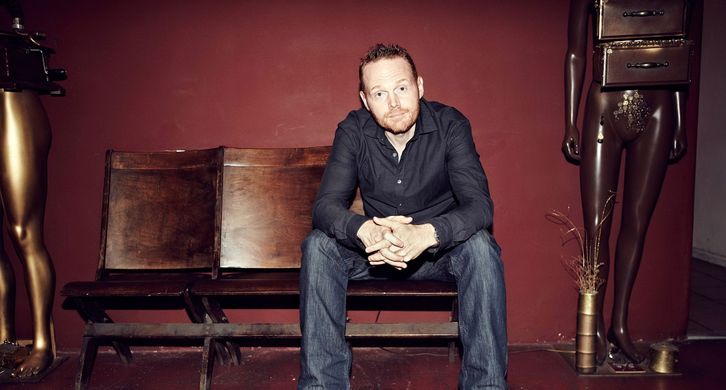
“It’s just not the same”: Challenging perceptions
In the viral video posted by the YouTube channel Hello My Friend, we see Bill Burr comedically mimicking what he calls a frustrated female soccer player. We found out the player in question is West Ham United’s star forward and Swiss International Alisha Lehmann who recently complained about how people perceive women’s sports compared to men’s.
Alisha in a recent press conference said, “How people look at us and how people look at them, it’s just not the same. (To us) they are like aww she plays football.”
Bill delivers Alisha’s line with impeccable timing and conviction, drawing us into his world of satire. Bill further imitates Alisha’s comment on how female athletes don’t make as much as male athletes.
Why is the pay different? The payroll predicament
In the next part of the video, we see a stat that says men get $69000 per match in the soccer world cup if they reach the final compared to $5500 for women.
Burr masterfully switches from imitating her frustration to offering an explanation laced with sarcasm and wit. While mocking this in a different accent, he goes on to say, “You don’t sell any f**k**g tickets.”
While humor is the vehicle, there’s an underlying truth to his performance that challenges societal perceptions of female athletes. This statement, though delivered in jest, draws attention to a core issue affecting female athletes—the gender disparity in ticket sales and viewership.
Watch this Story: Despite 125 Million Lionel Messi Record 115000000 Gives Sky High Confidence To Serena Williams Husband Alexis Ohanian As He Makes Daring Statement
