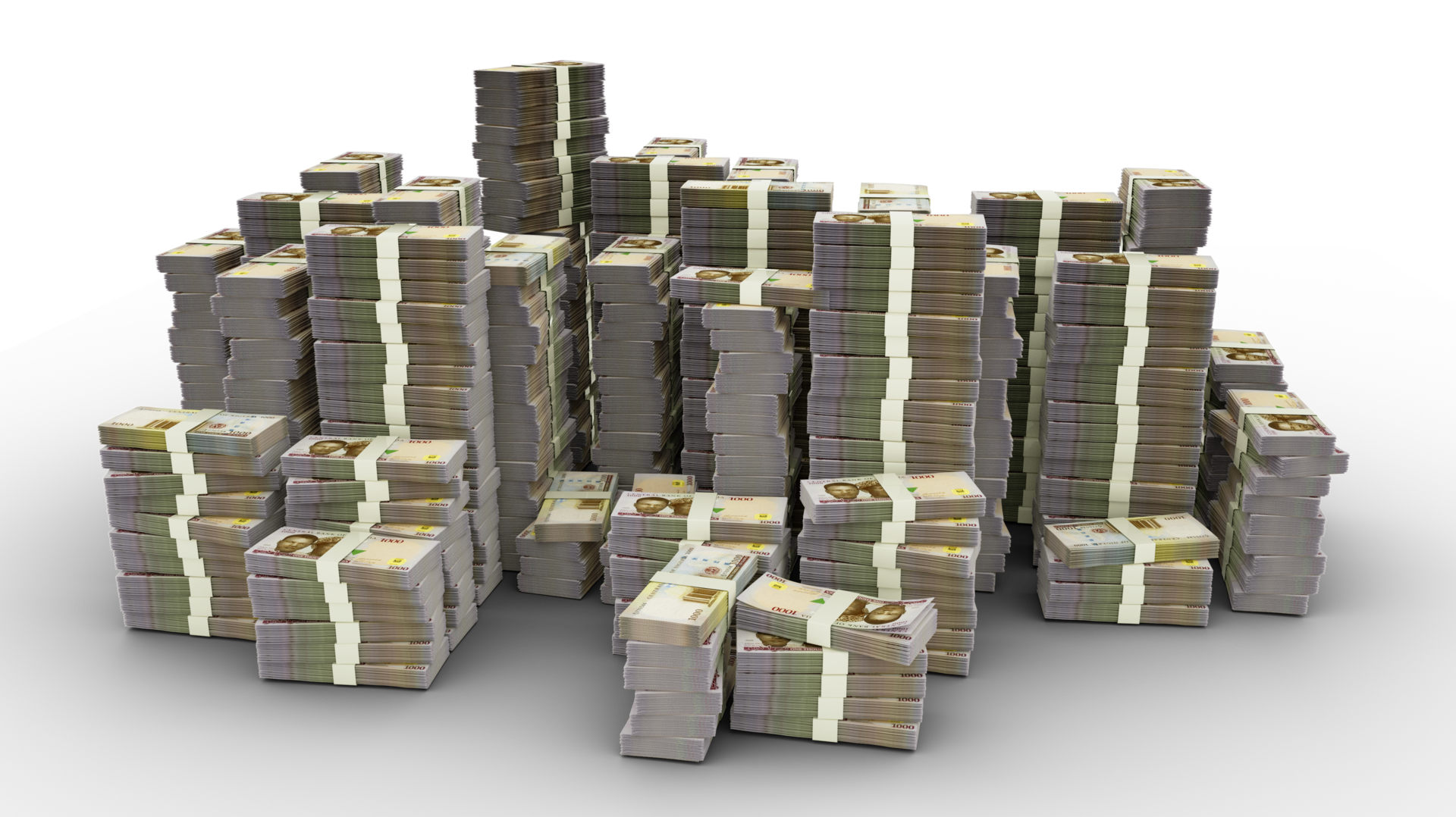
Cash Is King, But Is It Actually an Asset? Here’s What You Need to Know
Have you ever thought about whether the cash in your wallet or bank account is an asset? There’s so much financial jargon out there that it’s easy to get lost. I’m here to make it clear for good whether cash is an asset or not.
Spoiler alert: YES, cash is absolutely an asset. But there’s way more to understand about why that matters and how it affects your financial planning.
What Exactly Is an Asset Anyway?
Before we dive deeper, let’s get our terminology straight. In financial accounting, an asset is:
- Any resource owned or controlled by a business or individual
- Something (tangible or intangible) that can produce positive economic value
- A representation of ownership value that can be converted into cash
Ironically, this definition includes a circular reference: assets can be converted into cash, but cash itself is also considered an asset! This makes perfect sense when you think about it – cash holds value and can be used to generate more value.
Why Cash Is the Ultimate Asset
Cash holds a special place in the asset hierarchy. According to financial experts, it’s considered the most liquid asset possible. This means nothing else can be converted to usable currency faster than… well, currency itself!
Let’s look at why cash deserves its “asset royalty” status
- Immediate availability: No conversion or waiting period required
- Stable value: $100 today will still be worth $100 tomorrow (though inflation is another story!)
- Universal acceptance: Cash is readily accepted nearly everywhere
- No transaction costs: Other assets often incur fees when converted to cash
A financial advisor once told me “In the asset world cash wears the crown for liquidity,” and truer words have never been spoken.
Cash on Financial Statements: Where It Lives
For businesses, cash appears prominently on the balance sheet – one of the three core financial statements that shows a company’s financial position at a specific moment in time.
Cash typically appears at the very top of the assets section because:
- It’s the most liquid asset
- It’s used to pay immediate obligations
- It represents the starting point for most financial operations
Here’s a simplified example of how cash appears on a balance sheet:
| Assets | Amount |
|---|---|
| Cash and cash equivalents | $50,000 |
| Accounts receivable | $25,000 |
| Inventory | $40,000 |
| Fixed assets | $100,000 |
| Total Assets | $215,000 |
Different Types of Cash Assets
Not all cash assets are created equal. Here are the main categories:
1. Physical Cash
This is the money in your wallet, petty cash drawer, or under your mattress (though we don’t recommend that last one!). It’s immediately spendable with zero conversion time.
2. Cash Equivalents
These are extremely liquid investments that can be converted to cash very quickly (typically within 90 days) with virtually no risk of value change. Examples include:
- Money market accounts
- Treasury bills
- Short-term government bonds
- Commercial paper
3. Bank Deposits
The money in your savings or checking accounts is still cash, even though you don’t have it in your hands. These funds are almost as easy to get to as cash these days thanks to modern banking.
- ATM withdrawals
- Online transfers
- Debit card transactions
- Check writing
Cash vs. Other Liquid Assets: What’s the Difference?
While cash reigns supreme in the liquidity kingdom, other assets come close. Here’s how cash compares to other liquid assets:
| Asset Type | Conversion Time | Potential Value Loss | Effort Required |
|---|---|---|---|
| Cash | Immediate | None | None |
| Bank accounts | Minutes to 1 day | Minimal | Very low |
| Stocks | 1-3 days | Possible | Low |
| Mutual funds | 1-3 days | Possible | Low |
| Treasury bills | Days to weeks | Minimal | Low |
| Accounts receivable | Days to months | Possible | Medium |
Cash as Part of a Healthy Financial Portfolio
Even though cash is an asset, most financial experts say you shouldn’t have TOO much of it on hand. Why? Because cash doesn’t usually get more valuable over time; in fact, inflation makes it worth less over time.
We recommend keeping enough cash for:
- Emergency fund covering 3-6 months of expenses
- Upcoming major purchases or payments
- Day-to-day operating needs (for businesses)
Besides these needs, you might want to think about investing your extra cash in other things that can grow, such as:
- Investments (stocks, bonds, mutual funds)
- Real estate
- Business expansion
- Retirement accounts
Common Questions About Cash as an Asset
Is cash considered a current asset?
Absolutely! Cash is not just an asset but specifically a current asset, which means it’s expected to be used or converted within one year or less.
Does cash appear on the balance sheet?
Yes, cash typically appears first on the asset side of a balance sheet, often combined with cash equivalents under a single line item.
Is money in a savings account considered cash?
Yes, funds in bank accounts are considered cash assets, even though they’re not physical currency. They’re usually listed as “cash and cash equivalents” on financial statements.
Is cash a tangible or intangible asset?
Cash is considered a tangible asset because it has physical form (when in currency form) and definite value.
The Bottom Line: Cash Is Your Most Basic Asset
So there you have it – cash is definitely an asset, and a pretty special one at that! As the most liquid asset possible, cash provides immediate financial flexibility and security that other assets simply can’t match.
But remember, a good financial strategy balances cash holdings with other assets that can grow in value over time. Too much cash sitting around might actually harm your long-term financial health due to inflation.
At our company, we always remind clients that cash is like oxygen for your finances – you absolutely need it to survive, but it’s not the only nutrient required for long-term financial health!
Have questions about managing your cash assets or want to learn more about optimizing your financial portfolio? Drop us a comment below or reach out directly. We’d love to hear from you!