Buying a home is an exciting milestone in life but also requires careful financial planning. One of the biggest questions homebuyers face is how much cash they should have leftover after putting down their down payment.
Congratulations on your new home purchase! It’s an exciting time, but let’s be real – your wallet might be feeling a bit lighter right now. After all those closing costs, down payments, and moving expenses, you might be wondering if you’ll ever financially recover from this milestone.
I’ve helped many first-time homebuyers navigate their finances, and the question I hear most often is: “How much money should I actually have left after buying a house?” It’s a great question that deserves a thoughtful answer, because your financial journey doesn’t end when you get those keys – it’s really just beginning!
Why Post-Purchase Savings Matter
When you’ve just dropped a huge chunk of cash on your dream home, it might seem counterintuitive to think about saving even more money. But having a financial cushion after buying a house is absolutely crucial for several reasons:
- Unexpected repairs can pop up literally the day after moving in (trust me, I’ve seen it happen!)
- Financial emergencies like job loss or medical bills don’t care that you just bought a house
- Home maintenance costs will be ongoing and sometimes surprising
- Building a strong financial foundation sets you up for long-term homeownership success
Expert Recommendations for Post-Purchase Savings
So what’s the magic number? Financial experts generally recommend having between 6-9 months’ worth of living expenses saved after closing on your home. This gives you enough runway to handle essential costs like your mortgage payment, utilities, groceries, and transportation if something unexpected happens.
Some financial advisors actually suggest having up to 20% of your home’s value left in cash reserves. For a $300,000 house, that would be $60,000 – which honestly seems like a lot to me and most regular folks I know!
The amount that feels right for you will depend on your specific situation income stability and comfort level with risk. Let’s break down some reasonable guidelines
Minimum Recommended Reserves After Home Purchase
| Expense Category | Amount to Save |
|---|---|
| Emergency Fund | 3-6 months of expenses |
| Home Repairs Fund | $5,000-$10,000 |
| Home Maintenance | 1-4% of home value annually |
| Major Renovations | $15,000+ (if planned) |
Creating Your Post-Purchase Budget
Elizabeth ONeill of Warburg Realty says, “sitting down and working out a budget will pay dividends.” I couldn’t agree more! Your new homeowner budget needs to account for all your housing-related expenses:
- Mortgage payment
- Property taxes
- Homeowners insurance
- HOA or condo fees (if applicable)
- Utilities (which might be higher than when you rented)
- Maintenance and repairs
- Landscaping and yard upkeep
If you’re coming from renting, some of these costs might be new to you When that toilet leaks or window breaks, there’s no landlord to call – it’s all on you now!
The 1-4% Rule for Maintenance
A good rule of thumb is to budget between 1-4% of your home’s purchase price for annual maintenance and small repairs. For a $300,000 home, that means setting aside $3,000-$12,000 per year (or $250-$1,000 monthly).
This doesn’t include major expenses like a new roof or HVAC system, which can run tens of thousands of dollars That’s why having a dedicated home repair savings account is so important
Setting Up Your Homeowner Savings System
Tad Hill, founder of Freedom Financial Group, recommends that first-time homebuyers “establish a separate savings account specifically for homeownership to cover more significant repairs.” He suggests “planning to keep at least $5,000 to $10,000 in cash, so you have it available when something breaks.”
Here’s my recommended approach to structuring your post-purchase savings:
- Emergency Fund: Keep 3-6 months of essential expenses in a high-yield savings account
- Home Repair Fund: Start with $5,000-$10,000 in a separate savings account
- Regular Maintenance Account: Set up automatic transfers of 1-4% of your home’s value annually
- Future Renovations: If you’re planning upgrades, start saving for those separately
Strategies for Building Your Savings After Buying a House
After spending so much money on your home purchase, rebuilding your savings might feel daunting. Here are some practical strategies I’ve seen work well:
- Create a detailed budget: Track every dollar to find places where you can cut back
- Automate your savings: Set up direct deposits so you never “see” the money in your checking account
- Reduce unnecessary expenses: Those streaming services and takeout meals add up!
- Consider a side hustle: Even temporarily to boost your savings faster
- Review your insurance coverage: Make sure you’re adequately covered without overpaying
- Refinance if rates drop: This could lower your monthly payment and free up cash for savings
Balancing Savings with Debt Reduction
While building your post-purchase savings is important, don’t ignore other debts. High-interest debt like credit cards should generally be paid off before building substantial savings beyond your basic emergency fund.
According to the Houzz & Home Annual Renovation Trends survey, about one-third of homeowners use credit to finance home projects, but more than 80% pay cash. Whenever possible, saving up and paying cash for renovations will save you money in the long run.
Real-World Example: The Smith Family’s Post-Purchase Plan
Let me share how one family I worked with handled their finances after buying their first home:
The Smiths purchased a $280,000 house with a monthly mortgage payment of $1,600 (including taxes and insurance). Their total monthly expenses came to $4,200.
Here’s how they structured their post-purchase finances:
- Emergency Fund: $25,000 (about 6 months of basic expenses)
- Home Repair Fund: $8,000 to start
- Monthly Maintenance Savings: $250 (about 1% of home value annually)
- Debt Paydown: $500/month toward student loans
- Retirement Contributions: Continued 10% of income
It took them about 14 months to fully rebuild their savings after the home purchase, but they slept better knowing they were financially prepared for homeownership.
Warning Signs Your Post-Purchase Finances Need Attention
Here are some red flags that might indicate you don’t have enough saved after buying your house:
- You’re constantly worried about how you’d handle an unexpected repair
- Your credit card balances are increasing each month
- You’ve stopped contributing to retirement accounts
- You couldn’t make your mortgage payment if you missed one paycheck
- You’re deferring necessary home maintenance due to cost
If any of these sound familiar, it might be time to revisit your budget and savings plan.
FAQ About Post-Home Purchase Finances
How much money should I have saved when buying a house?
Most real estate experts recommend having at least 5% of the home’s cost for the down payment, plus additional savings for closing costs and post-purchase expenses.
How much cash should you keep when buying a house?
The most common recommendation is to have at least two months of mortgage payments in reserve, though more is better for financial security.
How much money should a homeowner have in savings?
Financial experts generally suggest having about five to six months of expenses saved to cover emergencies, home repairs, and other necessary expenditures.
How much debt is too much when buying a home?
Most financial advisors agree that people should spend no more than 28% of their gross monthly income on housing expenses and no more than 36% on total debt.
My Final Thoughts
Buying a house is just the beginning of your homeownership journey. The financial planning doesn’t end when you get those keys – in many ways, it’s just starting!
I believe having adequate savings after purchasing a home is one of the most overlooked aspects of homeownership. Without it, what should be a joyful experience can quickly become stressful and overwhelming when inevitable expenses arise.
Remember that these guidelines are just that – guidelines. Your personal situation, risk tolerance, and financial goals will ultimately determine the right amount for you to save. The important thing is to have a plan and stick to it.
Have you recently purchased a home? How much did you save for post-purchase expenses? I’d love to hear your experiences in the comments below!
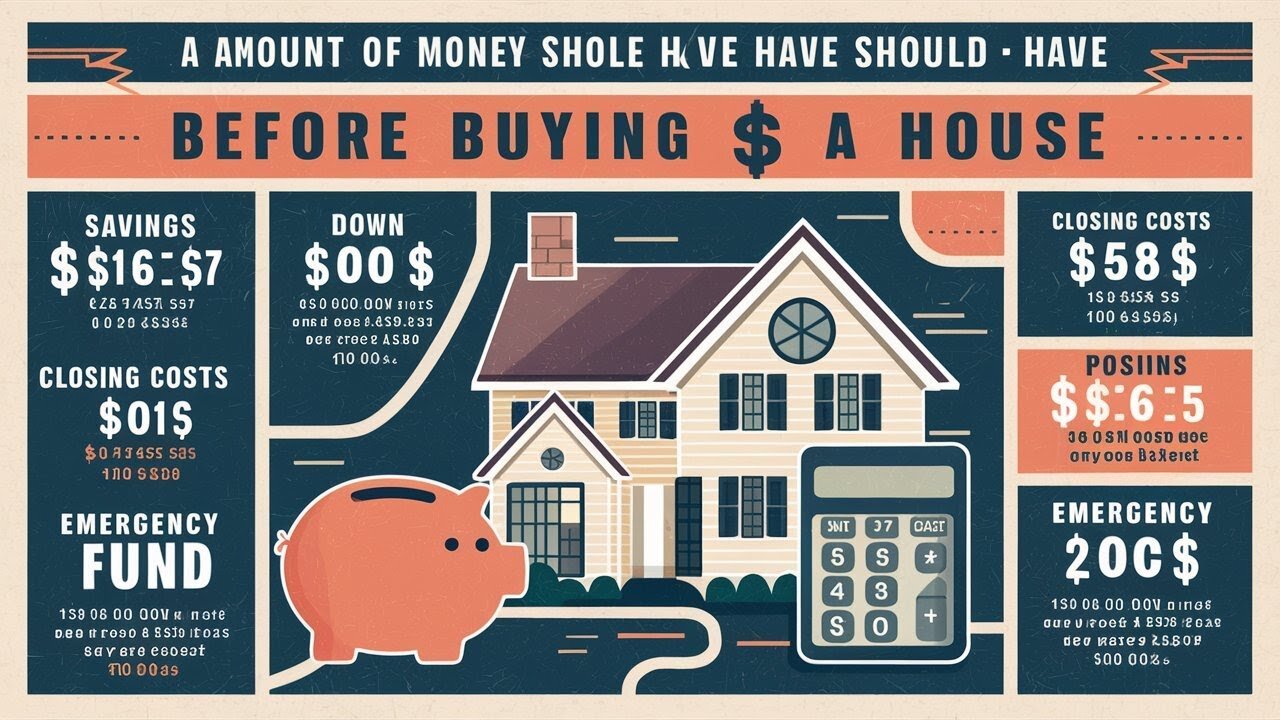
How much Cash should you have After Down payment?
After making a down payment on a home, it’s crucial to have 6 to 9 months’ worth of living expenses saved up. This acts as a safety net for unexpected costs and income loss. To accumulate enough post-purchase reserves, focus on building savings early, reducing debts, maintaining a lean budget, increasing income where possible, saving windfalls, choosing favorable mortgage terms, and seeking family support if needed. Be prepared for other expenses like closing fees, moving costs, furnishing costs, potential repairs, and ongoing mortgage payments.

Get The Free Home Buyer’s Guide and Protect Yourself from Costly Mistakes
You’ll Get:
The Down Payment
A down payment is the upfront payment you make when purchasing a home to secure the mortgage loan. Typical down payments range from 3% to 20% of the total home price, depending on the type of mortgage. Conventional loans require at least 3% down, but can require more based on your credit profile. FHA and VA loans allow down payments as low as 3.5%. The more you can put down upfront, however, the better – a 20% down payment avoids private mortgage insurance and shows the lender you are financially secure.
As a general rule, your down payment should be enough to demonstrate commitment to the home without depleting all your savings. Work within your budget, factoring in closing costs, moving expenses, and the costs of owning a home. Lenders allow down payments gifted by relatives, which you may want to take advantage of, since your down payment is just the beginning – you’ll also need post-closing cash to provide security after closing.
