So you’ve managed to save up $15 million for retirement First off, congrats! That’s no small feat considering most Americans don’t come anywhere close to that amount. But the big question remains – is it actually enough? Will you be sipping margaritas on the beach or pinching pennies at the grocery store? Let’s dive into this question that keeps many future retirees up at night.
The Reality Check: Average Retirement Savings in America
Before we get too deep let’s put your $1.5 million into perspective. According to the most recent data the median retirement nest egg in America is under $400,000. Yep, you read that right. Most Americans retire with nowhere near $1.5 million in savings.
In fact according to data from the 2022 Survey of Consumer Finances, the typical senior household (ages 65-74) has about $200000 saved. And that’s just for the roughly 50% of households that even have retirement accounts!
So if you’re sitting on $1.5 million, you’re already way ahead of the average American. But that doesn’t automatically mean you’re set for life.
The Magic Number Debate
There’s been lots of chatter in financial circles about the “magic number” needed for retirement. Recent surveys show different targets:
- Charles Schwab estimates $1.8 million based on retirement plan participants
- Schroders survey suggests $1.2 million
- Northwestern Mutual lands right in the middle at $1.5 million
So your $1.5 million nest egg puts you right at what many experts consider the sweet spot. But the real answer isn’t quite so simple.
How Long Will $1.5 Million Actually Last?
This is where things get interesting. According to a recent GOBankingRates analysis from March 2025, how long your money lasts varies dramatically depending on where you live.
If we follow the classic 4% withdrawal rule (taking out 4% of your savings annually), $1.5 million would provide about $60,000 per year. But depending on your state, this could stretch for wildly different timeframes:
- West Virginia: 54 years (most affordable)
- Kansas: 52 years
- Mississippi: 51 years
- Florida: 39 years (popular retirement state)
- Massachusetts: 23 years
- California: 24 years
- Hawaii: Just 17 years! (least affordable)
Mind blown? Mine too. Living in Hawaii might be paradise, but your $1.5 million will run out three times faster than in West Virginia!
Breaking It Down By Age: When Can You Retire?
Let’s get personal. When exactly can you retire with $1.5 million? It depends on several factors, but here’s a quick breakdown by age:
Can You Retire at 65 with $1.5 Million?
Absolutely yes. This is the traditional retirement age, and $1.5 million should last you 20-40 years depending on your location and lifestyle. With Social Security kicking in and Medicare covering much of your healthcare, this is very doable in most states.
Can You Retire at 60 with $1.5 Million?
Yes, but with some planning. If you withdraw $60,000 annually (4% rule), your money should last decades. The main challenge here is healthcare – you’ll need to budget for 5 years until Medicare eligibility at 65.
Can You Retire at 55 with $1.5 Million?
Yes, with careful planning. Early retirement is definitely possible with $1.5 million. According to Bankrate’s savings withdrawal calculator, if you earn just 4% on your nest egg and withdraw $60,000 annually, after 50 years you’d still have $1.29 million left! The key challenges are healthcare costs and potential early withdrawal penalties from retirement accounts.
Can You Retire at 45 with $1.5 Million?
Pushing it, but possible. Super early retirement with $1.5 million requires answering some tough questions:
- Do you have debt?
- Are there still children at home?
- Do you live in an expensive area?
- Can you cover medical costs for potentially 40+ years?
- Do you have a plan to make the money last 45+ years?
If you can live on $40,000-$50,000 annually and maybe have a small side hustle, it could work!
The Monthly Income Question
Most folks planning retirement think in terms of monthly income. So what kind of monthly retirement income can $1.5 million generate?
If you retire at 60 and live until 90 (30 years), your $1.5 million would give you approximately $4,167 per month before taxes – assuming no investment growth.
Here’s a breakdown by retirement age (assuming you live to 90):
| Retirement Age | Monthly Income |
|---|---|
| 60 | $4,167 |
| 55 | $3,571 |
| 50 | $3,125 |
| 45 | $2,778 |
| 40 | $2,500 |
Keep in mind this doesn’t account for:
- Social Security benefits (average check: $1,543/month)
- Investment growth (which could significantly increase these numbers)
- Inflation (which could decrease purchasing power)
- Taxes (which vary by state and income level)
How to Make Your $1.5 Million Last Longer
Want to stretch that nest egg even further? Here are some practical tips:
1. Pay Off All Debt Before Retiring
Nothing eats into retirement funds faster than debt payments. Focus on eliminating:
- Credit card debt (highest interest first!)
- Personal loans
- Student loans
- Mortgage (if possible)
2. Consider Geographic Arbitrage
As we saw earlier, location makes a HUGE difference. The most affordable states for retirees are:
- West Virginia
- Kansas
- Mississippi
- Oklahoma
- Alabama
Or if you’re feeling adventurous, consider these international options:
- Costa Rica
- Panama
- Portugal
- Greece
3. Stay Busy (Without Spending)
Boredom often leads to spending. Find fulfilling activities that don’t drain your wallet:
- Volunteering
- Gardening
- Part-time work doing something you enjoy
- Hobbies that don’t require constant spending
4. Continue Investing
Don’t just let your money sit! Keep a portion invested to generate growth:
- Dividend stocks
- Bond ladders
- Real estate income
- Low-cost index funds
5. Create Multiple Income Streams
Social Security shouldn’t be your only income source besides withdrawals:
- Rental properties
- Part-time consulting
- Online business
- Royalties
The Reality Check: Do You Really Need $1.5 Million?
I’m gonna be honest with ya – many Americans retire with way less than $1.5 million and are perfectly happy. As I mentioned earlier, many retirees live primarily on Social Security and seem to be doing fine.
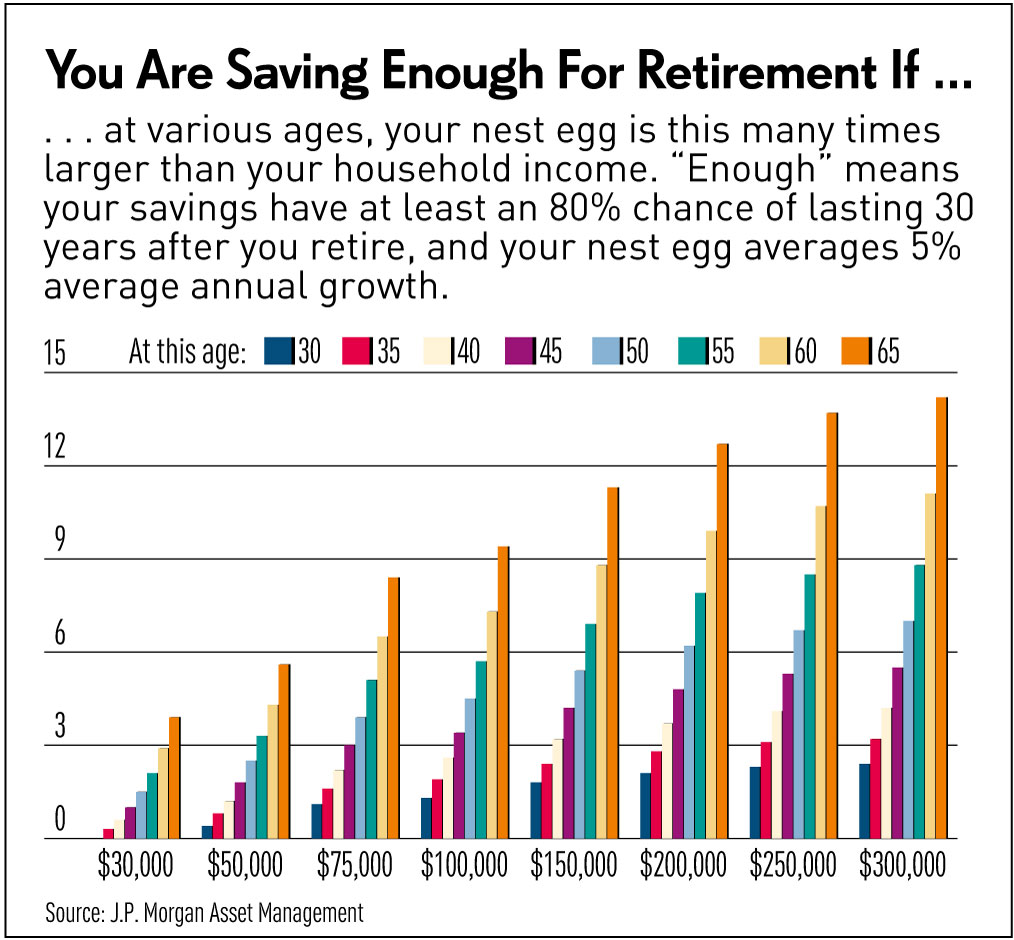
The magic-number concept comes from the idea that you should save roughly 10x your annual salary to supplement Social Security, which was never designed to be your sole retirement income.
But the truth is that what you need depends entirely on the lifestyle you want. If you’ve paid off your home, don’t have expensive hobbies, and live in an affordable area, you might need much less than $1.5 million.
Final Thoughts: So Is $1.5 Million Enough?
The answer is a resounding YES for most people, with some caveats:
✅ If you retire at traditional age (65+)
✅ If you live in a low to medium cost area
✅ If you don’t have excessive debts or expenses
✅ If you maintain reasonable spending habits
But it might be challenging if:
❌ You want to retire extremely early (before 50)
❌ You live in Hawaii, California, New York, or other high-cost areas
❌ You want a luxurious lifestyle with extensive travel and high spending
❌ You have significant health issues that might require expensive care
At the end of the day, retirement isn’t just about hitting some magical number. It’s about creating a sustainable lifestyle that brings you joy and security.
So if you’ve got $1.5 million saved up, take a moment to celebrate – you’re in better shape than most Americans! With some smart planning and location flexibility, you can enjoy a comfortable retirement for decades to come.
Can you retire at 65 with $5 Million
Recent surveys indicate that Americans believe they’ll need around $1.27 million for a comfortable retirement, with those in their 60s aiming for about $968,000. Working with this benchmark, it is feasible to live off 1.5 million. For a 65-year-old with an average life expectancy of 17 years, that’s roughly $85,000 yearly for expenses.
Of course, certain factors come into play here.
- Social Security Benefits: Social Security is a significant income source, and optimizing your claim timing is crucial. Claiming early reduces payments, while delaying can lead to larger checks.
- Retirement Lifestyle: Today’s retirees often pursue active lifestyles, travel, or part-time work. Budgeting for these activities is essential. Some downsize or explore different living arrangements.
- Healthcare Costs: Again, budgeting for healthcare is vital.Medicare starts at 65, but private insurance may be necessary until then. Long-term care insurance is an option to manage potential healthcare expenses.
- Inflation: Inflation reduces your purchasing power over time. Consider an inflation-adjusted withdrawal strategy, like the four percent rule, to counter rising costs.
- Part-Time Work: Many older adults work part-time for extra income and to stay engaged. A phased retirement approach can help ease the transition while boosting your finances.
How Much Money Is Enough to Retire?
$1.5 million net worth—how far does it go in retirement? To figure out this and determine whether it is sufficient for retirement, consider these key factors:
- Lifestyle: Think about your plans. Will you travel, dress stylishly, or host frequent gatherings? Expenses for clothing and entertainment can add up significantly. For instance, clothing costs around$1,357 for those aged 65 and older, while entertainment expenses reach $3,182. It may be difficult to learn how to live off investments with a robust lifestyle so you may want to adjust accordingly.
- Location: Where you live matters. Some states have higher taxes and living costs, while others offer retirement benefits and programs that boost your income. Compare state-specific advantages to make informed financial choices for retirement.
- Healthcare: Rising healthcare expenses are a crucial consideration. Healthcare costs can be substantial during retirement, making up approximately 12.2% of total future expenses, according to2022 BLS data.
- Housing: Housing expenses constitute a significant part of retirement costs, accounting for 34.7% of expenses for older adults. Think about downsizing or relocating to a more affordable area to manage these expenses.
- Food Costs: Food expenses vary based on your lifestyle and dietary preferences. On average, individuals aged 65 to 74 allocate approximately$8,198 each year to cover their food expenses. If your yearly income falls short, consider adapting your eating habits by dining out less frequently and opting for bulk purchases to make your budget stretch further.
By understanding and accounting for these factors, you can better gauge how much money you’ll need to live comfortably after working.
Why Retirees With $1M Actually End Up With $5M
FAQ
Is $1.5 million enough to retire?
To figure out if $1.5 million is enough to retire, you’ll need to factor in Social Security, pension and other income, as well as fixed and variable costs.
Can you retire with $1.5 million in savings?
Yes, you can retire with $1.5 million in savings. If a couple withdraws $60,000 per year (between $4,000 and $5,000 per month), this will be enough to live comfortably in retirement. And yes—if you retire at age 62, the 4% withdrawal rule ensures $1.5 million will last 25 years with your $60,000 annual income.
Can you retire early with 1.5 million dollars?
The only thing that you’ll need to remember is that healthcare won’t be covered for a few years. But, if you can make it work for 5 years, then it’s entirely possible to retire early with 1.5 million dollars at 60 years old. Can you retire at 55 with 1.5 million dollars?
Can you retire on 1 million dollars?
Saving a million dollars is doable if you start early, and it could last you decades in retirement. Can You Retire on $1 Million? Factors such as housing and health care will also impact your budget and determine whether $1 million is the right savings goal for your needs. Many people think $1 million is sufficient savings for retirement.
How much money do you need to retire comfortably?
For now, $1.5 million should allow most people to retire comfortably. To know for sure, you’ll have to estimate your retirement expenses and subtract the monthly spend from your monthly expected income. Here are two things to consider when calculating your spending:
How much money do you need to retire at 50?
Retiring at 50: The Basics Retiring 15 years before the typical retirement age requires thorough planning. To retire at 50 with $1.5 million, your savings must produce sufficient income to cover your living expenses for several decades. As a result, it’s essential to consider your lifestyle, expenses and investment income.
Can you retire comfortably with 1.5 million dollars?
How long does 1.5 mm last in retirement?
Is 1.25 million enough to retire on?
