Have you ever deposited a check and then waited. and waited. it takes for the money to show up in your account? It’s a problem that all of us have had with our banks. “That’s MY money; why can’t I use it right away?” I know what you’re thinking. Today I’m going to tell you how long banks are allowed to keep your money and what you can do about it.
The Basic Rules for Bank Holds in 2025
Banks and credit unions follow specific regulations about how long they can hold deposited funds before making them available to you. These rules aren’t just random – they’re actually governed by federal regulations that the Consumer Financial Protection Bureau (CFPB) helps enforce.
I’ve researched the latest guidelines (updated September 2025) and here’s what you need to know
Next-Business-Day Availability
Good news! The following deposits must be made available by the next business day:
- Cash deposited in-person
- Checks for $225 or less deposited in-person
- Electronic payments (including wire transfers and ACH deposits)
- Government, cashier’s, and certified checks deposited in-person or at the bank’s ATMs
- Personal checks deposited in-person and drawn from the same institution
This means if you deposit any of these on Monday before the cutoff time, you should have access to the funds by Tuesday. Pretty straightforward, right?
About Those Cutoff Times…
The bank has a cutoff time for what counts as a “business day.” This is something that many people don’t know. They can treat your deposit as if it happened the next business day if you send it after this time.
These cutoff times can’t be earlier than
- 2:00 PM at physical bank locations
- Noon at ATMs or other deposit locations
If you rush to deposit a check at 3 PM thinking you’ll have the money tomorrow, you might be let down! The bank might see that as a “next day” deposit.
When Banks Can Hold Your Money Longer
We all want our money ASAP, but sometimes banks can legally hold funds longer than one business day. This happens when:
- Your account is less than 30 days old (new accounts = longer holds)
- Your account has been overdrawn too many times in the last six months
- You deposited at an ATM owned by another institution
- The bank suspects the check might bounce
- The bank suspects fraud (this is a big one!)
- There’s an emergency situation like a natural disaster
- You deposit a check for more than $5,525
I personally got caught by #7 when selling my old car. The buyer gave me a check for $6,000, and I was surprised when my bank put a hold on most of the funds. Turns out, that’s completely within their rights!
The $5,525 Rule Explained
When you deposit a check larger than $5,525, special rules apply:
- $225 must be available by the next business day
- Amounts up to $5,525 must be available within two business days (for local checks)
- Amounts over $5,525 can be held up to seven business days
So for my $6,000 car payment check, I got $225 right away, another $5,300 within two days, and had to wait a full week for that last $475. Frustrating, but legal.
Mobile Check Deposits – A Special Case
This is an important point made by the CFPB: your bank may have different hold times for mobile deposits. You know how you can use the banking app on your phone to take pictures of checks?
Many banks place longer holds on these deposits, so don’t assume the regular timeframes apply. Always check your specific bank’s policy on mobile deposits! In my experience, these can take 1-3 days longer than in-person deposits.
Why Do Banks Hold Funds Anyway?
I used to get so annoyed by these holds, but there are legitimate reasons banks do this:
- Fraud prevention – They need time to verify that checks are legitimate
- Preventing bounced checks – They want to make sure the check writer actually has the funds
- Risk management – New accounts and large deposits present higher risks
Banks aren’t (always) just being difficult – they’re trying to protect themselves and ultimately their customers from fraud and loss.
How to Minimize Hold Times on Your Deposits
Want your money faster? Here are some practical tips I’ve found helpful:
- Deposit before cutoff times – Earlier in the day is better
- Use direct deposit whenever possible – These funds are typically available immediately
- Deposit in person rather than at ATMs when possible
- Build a good history with your bank – Avoid overdrafts and maintain a positive relationship
- Ask for exceptions – If you need funds urgently, talk to a bank manager. Sometimes they can release holds early on a case-by-case basis
Different Banks, Different Policies
While federal regulations set the maximum time banks can hold funds, individual banks and credit unions might have more favorable policies. Some advertise “faster availability” as a competitive advantage.
For example, I switched to my current bank partly because they make the first $500 of any check deposit available immediately, which is more than the required $225. Shop around if fast access to deposits is important to you!
What to Do If Your Bank Holds Funds Too Long
If you believe your bank is holding your funds longer than legally allowed, you have options:
- Speak with a branch manager first – Often this resolves the issue
- File a complaint with the bank’s customer service
- Contact the CFPB – They handle consumer complaints about financial institutions
- Switch banks if it becomes a recurring problem
Remember that each situation is different, and sometimes there are legitimate reasons for longer holds that might not be immediately apparent.
Mobile Banking: Convenience vs. Availability
Mobile banking has revolutionized how we handle money, but it comes with tradeoffs. The convenience of depositing checks from your couch is amazing, but it often means longer hold times.
Most banks treat mobile deposits with extra caution because they can’t physically inspect the check. I’ve noticed my mobile deposits typically take 1-2 days longer than when I visit a teller.
If you need funds quickly, consider visiting a branch instead of using the mobile app.
Special Situations: Large Deposits and New Accounts
Two situations where you’ll almost always face longer holds:
Large Deposits
For checks over $5,525:
- First $225 available next business day
- Up to $5,525 within 2 business days
- Remainder within 7 business days
New Accounts (Less than 30 days old)
New accounts face stricter holds because banks haven’t established a relationship with you yet. During your first 30 days:
- Cash deposits and electronic transfers still available next day
- First $5,525 of certain government, cashier’s, and certified checks available next day
- Other check deposits may be held up to 9 business days
I learned this the hard way when I opened a new account and tried to move all my funds over at once!
The Business Day Calendar: Weekends and Holidays Don’t Count
An important detail: “business days” don’t include weekends or federal holidays. So a “next business day” deposit made on Friday won’t be available until Monday (or Tuesday if Monday is a holiday).
This calendar quirk can significantly affect when you’ll actually have access to your money, so plan accordingly!
Final Thoughts: Planning Around Hold Times
Understanding bank hold policies isn’t just about knowing your rights—it’s about smart financial planning. Here’s what I’ve learned to do:
- Keep a buffer in your account for unexpected expenses
- Plan major deposits around when you’ll need the funds
- Develop relationships with bank staff who might help expedite things
- Consider keeping accounts at multiple institutions for flexibility
The banking system isn’t perfect, but knowing the rules helps you navigate it more effectively.
Remember that while holds can be frustrating, they’re partly designed to protect you and the financial system from fraud and risk. By understanding exactly how long banks can legally hold your money, you can better plan your finances and avoid unpleasant surprises.
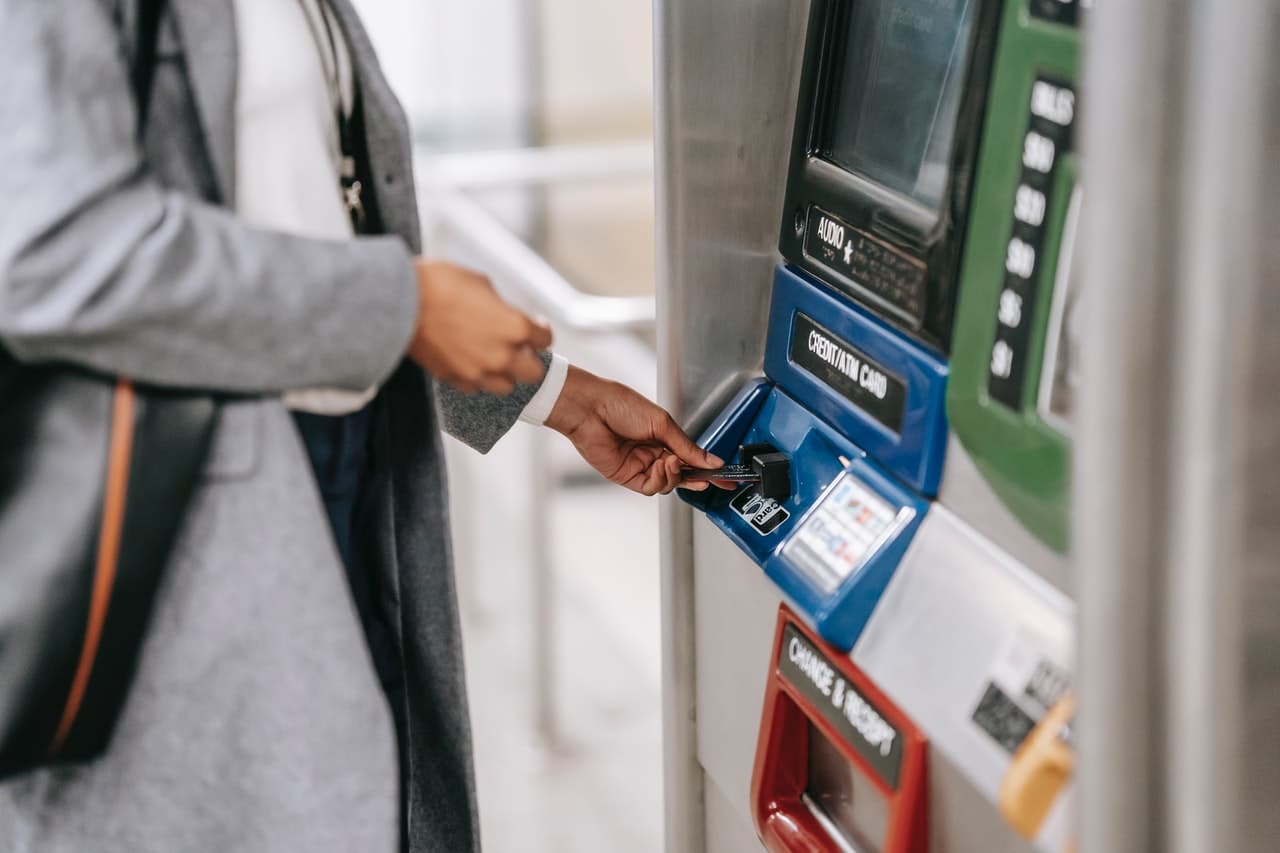
How long can holds last?
When you deposit cash into a regular checking account in person, it usually doesn’t get held up and you can use the money right away. Non-cash deposits are more likely to receive a hold. These hold times can vary by financial institutions but typically take between two to five business days.
Federal regulations outline that certain check types must be available in one business day. These include checks from the U. S. treasury, official bank checks, and USPS money orders. This also applies to checks sent from within the same financial institution and for amounts of $200 or less.
Longer hold times can apply under specific circumstances. If you deposit more than $5,000 in checks, your bank can put a hold on everything higher than $200 for a while.
Checks that are redeposited after bouncing, payments into accounts that are repeatedly overdrawn or less than 30 days old, or any checks that raise reasonable doubt from the financial institution can also be subject to increased hold times.
Why do holds occur?
Credit accounts show an immediate increase in your balance after a cash or check deposit. But unless the funds are showing in your available balance, your financial institution will still need to transfer them from the issuing bank into your account.
Holds give financial institutions the time to confirm that those funds will clear before allowing you to spend them. They can ensure that checks are legitimate and will not bounce. This keeps them from losing money and keeps you from having money problems if something goes wrong with a deposit.
Holds do not always occur. They are more likely if the deposit is for a large sum of money or is being sent from an out of state bank, as the teller will need to contact the issuing bank to check that the funds are available.
Check Holds Explained: How Long Can Banks Hold Your Money? | Jay Get It
FAQ
How long can a bank hold your money legally?
A check hold is the time that banks are allowed by law to legally hold on to the money from a deposited check before crediting the customer’s account. The Federal Reserve says that most checks should only be held for a “reasonable” amount of time, which is usually between two and six business days.
Is it illegal for a bank to withhold your money?
In some situations, like holding on to a deposited check for a reasonable amount of time or using your money to pay off other debts you have with the same bank, it is not against the law for the bank to hold on to your money, as long as the account agreement allows it. However, banks must follow federal and state laws and provide you with a notice explaining the hold and a timeframe for when the funds will be available.
How long can a bank hold your money from you?

available the next business day and larger amounts according to specific schedules for local and non-local checks.
Holds can be longer for reasons like new accounts, large deposits (over
)
, or checks that may be uncollectible, as defined by the Expedited Funds Availability Act and other regulations.Are banks legally allowed to hold your money?
Maximum cheque hold period
There is a limit to the amount of time a federally regulated financial institution, such as a bank, can place a hold on money you deposit by cheque. Federally regulated financial institutions can hold the money you deposit by cheque for 4 to 8 days.
