In some circumstances, itâs possible to pay bills with a credit card. Some lenders and service providers let you pay bills with a credit card. Others may require payments directly from a bank account or debit card.
But how do you know if itâs a good option? And what factors should you explore before paying bills with your credit card?
Paying bills is a part of life, but how we pay them has evolved Many of us now wonder can I pay my electricity bill with a credit card? The short answer is yes, in most cases – but there are important factors to consider before swiping that card
The Basics of Paying Electricity Bills With Credit Cards
Most utility companies nowadays accept credit card payments for electricity bills. This payment method offers convenience but comes with potential costs and benefits you should understand.
How to Pay Your Electricity Bill With a Credit Card
There are several ways to use your credit card for electricity payments:
- Online payments – Most utility providers offer websites or apps where you can set up an account and pay directly
- Phone payments – Call your utility company’s customer service line to make a payment
- In-person payments – Visit a payment center with your credit card
- Auto-pay setup – Schedule automatic monthly payments from your credit card
Each method might have different processing times and fees, so check with your specific provider.
Pros and Cons of Using Credit Cards for Utility Bills
Like any financial decision paying electricity bills with credit cards has advantages and disadvantages.
Benefits
- Convenience – No need to write checks or make special trips to pay bills
- Rewards and cashback – Earn points, miles, or cash back on regular expenses
- Better tracking – All expenses recorded in one place for budgeting
- Grace period – Extra time before payment is due to credit card company
- Build credit history – Regular on-time payments can improve your credit score
Drawbacks
- Processing fees – Many utilities charge 2-3% extra for credit card payments
- Interest charges – If you don’t pay your credit card bill in full, high interest can accumulate
- Potential debt cycle – Using credit for basic utilities might indicate financial strain
- Credit utilization impacts – Large utility bills can increase your credit utilization ratio
Processing Fees: What to Watch For
One of the biggest considerations when paying utilities with a credit card is processing fees. These fees typically range from 1.5% to 3% of your bill amount.
For example, if your monthly electricity bill is $200 and the processing fee is 3%, you’ll pay an additional $6 just for the convenience of using your credit card. That’s $72 per year!
Some providers partner with third-party payment processors that charge fixed fees instead of percentages, which might be better for larger bills.
Sample Fee Comparison Table
| Bill Amount | 3% Fee | Fixed $1.95 Fee |
|---|---|---|
| $50 | $1.50 | $1.95 |
| $100 | $3.00 | $1.95 |
| $200 | $6.00 | $1.95 |
| $300 | $9.00 | $1.95 |
As you can see, for smaller bills, percentage fees might be better, while fixed fees favor larger payments.
Do The Rewards Outweigh the Fees?
Whether using a credit card makes financial sense depends on your rewards program and the fees charged.
If your credit card offers 2% cash back but your utility charges a 3% processing fee, you’re actually losing money on the transaction. However, if you’re trying to meet a spending requirement for a significant sign-up bonus, the fee might be worth it.
Let’s do the math:
- 2% rewards on $200 bill = $4 back
- 3% processing fee on $200 bill = $6 cost
- Net result = $2 loss
But if paying that bill helps you earn a $200 sign-up bonus, the calculation changes dramatically!
Avoiding Processing Fees
I’ve found a few ways to avoid those annoying processing fees:
- Fee-free payment options – Some utilities offer certain fee-free credit card payment methods
- Third-party services – Services like Plastiq can sometimes offer lower fees
- Credit union bill pay – Many credit unions offer bill payment services that might use your credit card without extra fees
- Payment apps – Some digital wallet services occasionally run promotions for fee-free utility payments
When Using a Credit Card Makes Sense
There are specific situations when paying your electricity bill with a credit card is particularly beneficial:
- During emergencies – When cash flow is temporarily tight
- When maximizing rewards – If your rewards exceed any fees
- To meet minimum spending requirements – For new card bonuses
- For better expense tracking – If you’re monitoring household spending
- When traveling – To avoid missing payments while away
What About Prepaid and Debit Cards?
If credit cards aren’t your thing, you might consider:
- Prepaid cards – These can work similar to credit cards but don’t create debt
- Debit cards – Many utilities accept debit cards with lower or no fees
- Online banking bill pay – Your bank might offer electronic payments directly from your checking account
Setting Up Automatic Payments
We’re all busy, and sometimes bills slip our minds. Setting up automatic payments can be a lifesaver, but there are some things to consider:
- Make sure you always have sufficient credit available
- Set calendar reminders to verify payments went through
- Keep an eye on your utility rates for unexpected increases
- Update your card information promptly when you receive a new card
What If My Utility Company Doesn’t Accept Credit Cards?
Not all companies have caught up with the times. If yours doesn’t accept credit cards directly, you still have options:
- Use your bank’s bill pay service
- Consider third-party payment services
- Ask about prepayment options
- See if they accept payment apps like PayPal or Venmo
The Impact on Your Credit Score
Using credit cards for regular bills can affect your credit score in several ways:
Positive impacts:
- Consistent payment history
- Diversified credit usage
Negative impacts:
- Higher credit utilization ratio
- Potential for missed payments if auto-pay fails
The Bottom Line: Is It Worth It?
So, is paying your electricity bill with a credit card worth it? It depends on your personal financial situation.
If you pay your credit card bill in full each month and the rewards exceed any fees, it can be a smart move. If you’re carrying a balance or the fees eat up your rewards, you’re probably better off paying another way.
I personally use my credit card for utilities when there’s no fee, but switch to direct bank payments when fees are involved. This approach has saved me hundreds over the years while still letting me earn rewards when it makes sense.
Remember, the best payment method is the one that costs you the least in the long run while providing the convenience and benefits you value most.
Frequently Asked Questions
Can I pay my electricity bill with a credit card online?
Yes, most utility providers offer online payment portals that accept credit cards. Simply create an account on your provider’s website.
Will paying utility bills with my credit card help build my credit score?
Indirectly, yes. While the utilities themselves don’t report to credit bureaus, consistently paying your credit card bill on time will positively impact your score.
What if I can’t pay my electricity bill this month?
Many utility companies offer assistance programs and payment plans. Contact your provider before resorting to credit card debt you can’t repay.
Do all credit cards earn rewards on utility payments?
Most do, but some specifically exclude utilities from bonus categories. Check your card’s terms and conditions to be sure.
Can I use someone else’s credit card to pay my bill?
Technically yes, with permission, but this may violate the terms of service for both the credit card and utility company.
Making the right choice about how to pay your electricity bill comes down to understanding the fees, rewards, and your personal financial situation. Whatever method you choose, the most important thing is ensuring those lights stay on!
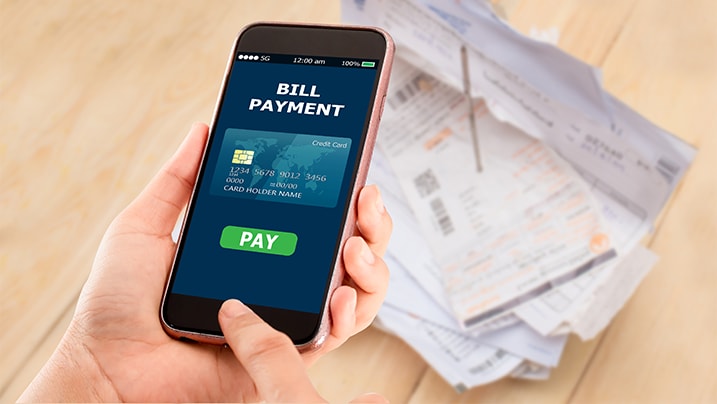
Should you pay bills with a credit card?
There really isnât a set answer to whether you should pay your bills with a credit card. It depends on whether the lender or merchant allows it and whether it makes sense for your situation. If you can do it responsibly, you might find that paying bills with a credit card is a good choice for you.
Before you use a credit card to pay bills, consider whether:
- You understand the terms of the credit card. If youâve read the credit card customer agreement and account opening disclosures, youâll know what to expect when it comes to due dates, fees, interest rates and other information.
- You can pay the credit card bill on time. As the Consumer Financial Protection Bureau (CFPB) explains, you should make your payments on time, every time. Thatâs because your payment history is an important factor in calculating your credit scores. Missed or late credit card payments can affect your credit and lead to late fees and higher interest rates, depending on your card.
- You can pay at least the minimum. Paying your balance in full every billing cycle might help you avoid paying interest. But if you canât pay your balance in full, the CFPB recommends paying as much as possibleâand making at least the minimum credit card payment. As the CFPB explains, âThe higher the balance you carry from month to month, the more interest you pay.â
What bills can I pay with a credit card?
Bills you can generally pay with a credit card include the following:
- Utilities
- Cellphone
- Internet
- Cable
- Insurance
Sometimes you can even make rent, mortgage and tax payments with a credit card. But there may be processing fees to do so.
